Song Meaning
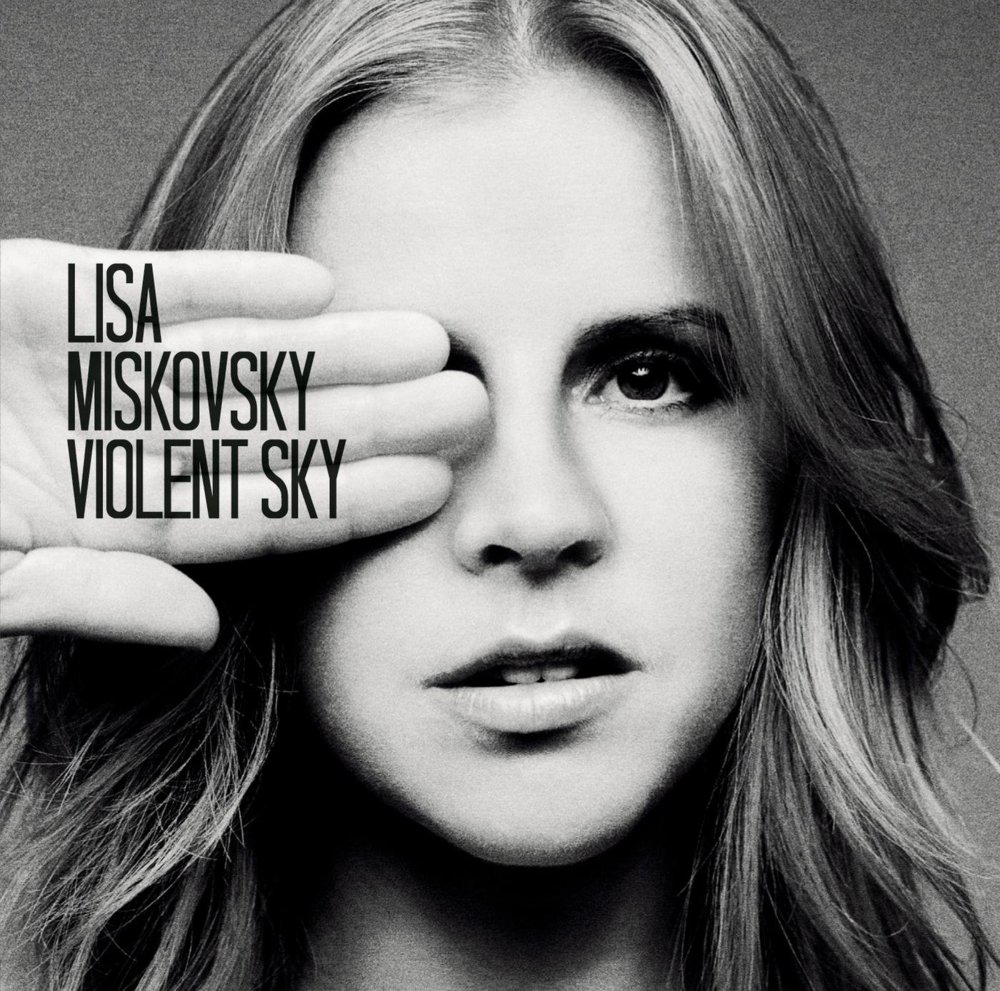
Lisa Miskovsky's "Some Of Us" isn't a casual listen; it's a serrated exploration of guilt, culpability, and the desperate yearning for anonymity in the face of moral reckoning. The opening lines immediately plunge us into an interrogation of violence and its justifications: "Do you say it's different when you kill? / Is it just of mercy, is it for the thrill?" This isn't just about physical violence; it’s a broader indictment of actions that inflict pain, questioning the motives and the lingering consequences. The speaker casts a shadow of doubt on any claims of righteousness or detached indifference, suggesting a profound disconnect between the act and its aftermath.
The recurring refrain, "Some of us, some of us," acts as both a shield and an admission. It's a collective acknowledgment of those who feel alienated, rejected, and disillusioned by the actions of others. The lyrics hint at a desire to disbelieve the perpetrator, to reject their narrative, but the haunting presence of their actions lingers. There's a palpable tension between the desire to remain hidden – "want to stay in the shade" – and the inescapable weight of complicity or witnessing wrongdoing. This speaks to the psychological burden of living in a world where moral compromises are commonplace, and the struggle to maintain one's integrity.
The latter part of the song introduces a more personal dimension, hinting at a specific instance of betrayal or abandonment: "He was hurting when you left him in the wild." The image of being "hunted" suggests that the consequences of one's actions are not easily escaped. The relentless pursuit and the inability to "let go" underscore the psychological toll of guilt and the enduring power of the past. The final line, "And one of us, one of us," perhaps breaks the collective facade, suggesting a personal reckoning with the speaker's own involvement or culpability in the events described, stripping away the comfort of shared experience and leaving only individual accountability.
 View Artist