Song Meaning
The lyrics present a defiant persona embracing imperfection and constant evolution. The repeated question "Red or green?" and the phrase "Red light? Green light?" suggest a constant state of decision-making, a push-and-pull between stopping and going, or perhaps between different paths. The narrator declares "常に未完成で居たい" (I always want to be unfinished) and "まだだだ限界じゃない" (I'm not at my limit yet), establishing a core theme of perpetual growth and resistance to stagnation. This isn't about reaching a final state, but about the dynamic process of becoming.
The central tension lies in the narrator's fierce self-possession and desire for intense experience. They claim "傷跡でさえ今はもう愛しい" (Even scars are now dear), indicating a past marked by struggle that has been integrated and even cherished. The shift from "キラキラ" (sparkling) to "ギラギララ" (glaring/shining intensely) signifies a move away from superficial shine towards a more potent, perhaps even aggressive, brilliance. The desire to "全部ひとりじめしたい" (want to have it all to myself) and "愛し尽くしたい" (want to love it all completely) reveals an all-consuming passion, a refusal to hold back.
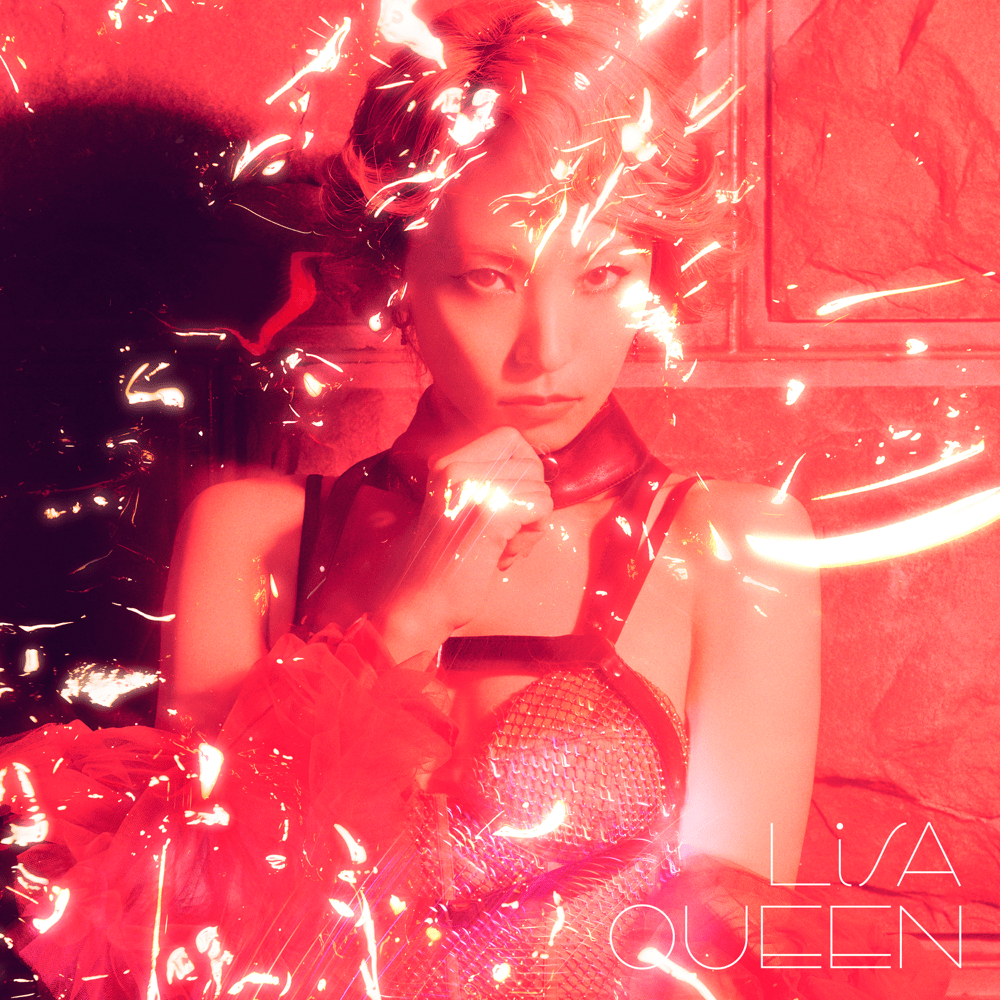
One of the most striking aspects of the craft is the juxtaposition of vulnerability and power. While the narrator embraces being "unfinished" and acknowledges the potential for pain ("愛もヘイトもそう 無礼講" - Love and hate are both fair game), they ultimately assert their sovereignty with "譲れないの 私が queen" (I can't give it up, I am queen). The imagery of the "Moonlight" breaking through clouds and illuminating the darkness suggests a powerful, guiding inner light that emerges from struggle. The invitation to "踊りましょう、孤独なダンス" (Let's dance, a lonely dance) acknowledges the solitary nature of this self-assertion, yet frames it as a powerful, expressive act.
This lyrical approach is effective because it taps into a deep-seated human desire for self-acceptance and agency, even in the face of adversity. By reframing past wounds as something to be loved and by embracing an ongoing state of becoming, the narrator offers a compelling vision of strength. The confident declaration of being "queen" isn't about external validation, but an internal declaration of self-worth, making the message resonate as a powerful anthem of personal empowerment.
 View Artist