Song Meaning
The lyrics paint a picture of a pervasive, almost elemental search, rooted in a sense of being "between" states and places. The opening lines establish a vast, encompassing scope, moving through cardinal directions and the abstract concepts of time and space. This creates an immediate feeling of being adrift, yet anchored by a specific, deeply felt longing.
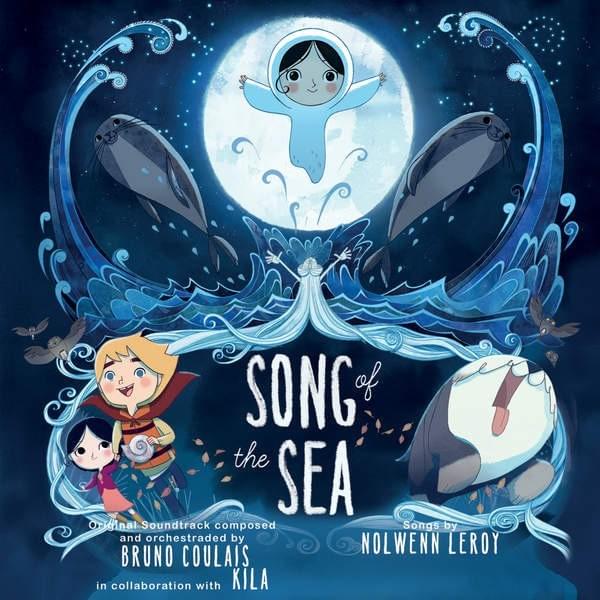
The core of the song seems to be this relentless, almost desperate seeking. The phrase "Ag cuardú go damanta" translates to "searching desperately," highlighting an urgent, perhaps even painful, quest. This search is intrinsically linked to the "Amhrán na farraige" – the song of the sea – suggesting that the object of this search is as vast and elusive as the ocean itself, and that the song itself is a manifestation of this search.
The imagery of the sea is central, with references to wind, waves, tide, and shore. Yet, the song of the sea is described as "Suaimhneach ná ciúin" – neither peaceful nor quiet. This paradox suggests a turbulent inner state mirrored by the natural world, a restless energy that fuels the desperate search. The sea is not a place of calm but a powerful, dynamic force.
Ultimately, the lyrics resolve with the narrator stating "Tá mé idir ghrá," meaning "I am between love" or "I am in love." This final line, following the extensive descriptions of searching and the turbulent sea, suggests that the desperate search is for love, or perhaps that the narrator is caught in the liminal space of being in love, a state that is neither fully settled nor entirely peaceful, much like the song of the sea itself.
 View Artist