Song Meaning
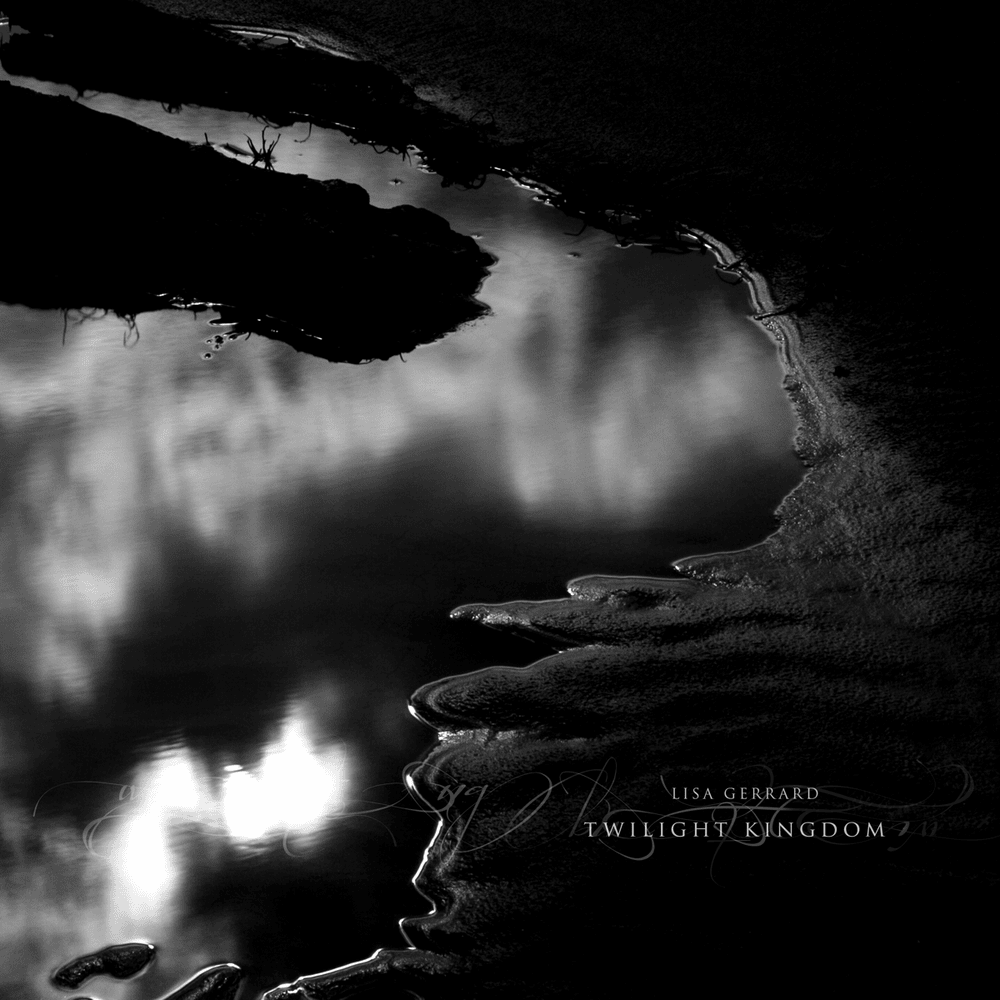
Too Far Gone" plunges listeners into a stark, watery despair. The opening lines immediately establish a narrator actively choosing to sink, declaring "I am drowning / Not waving." This isn't a cry for help; it's a chilling statement of intent. The darkness here isn't a threat, but a promised "peace."
The lyrics quickly introduce a second party, a "you" attempting rescue but equally trapped, described as suspended "beneath, way too deep." This isn't just one person's descent; it's a shared, inescapable predicament. The imagery turns visceral as the other's touch is depicted as tearing skin and releasing blood, suggesting a destructive intimacy where intentions are blamed and a grim "feeding" commences.
A core tension emerges from the repeated declaration that "we're both too far gone." This isn't just resignation; it's a mutual acknowledgment of an irreversible state. The narrator finds a twisted clarity in the "dying light," seeing past what "could have spared" them both. The contrast between the fleeting "glory" of "birds in flight" and their own sinking, weighed down by regret, powerfully underscores their lost potential.
What makes these lyrics hit hard is their unflinching embrace of a shared, dark destiny. The sudden, almost desperate plea, "Will you just love me? It's not too late," feels like a last flicker of human connection before the inevitable. It's a plea not for salvation, but for companionship in their shared descent, culminating in a final, intimate act to "seal our fate" within the judgment-free darkness. The power lies in finding a perverse peace and connection in utter surrender.
 View Artist