Song Meaning
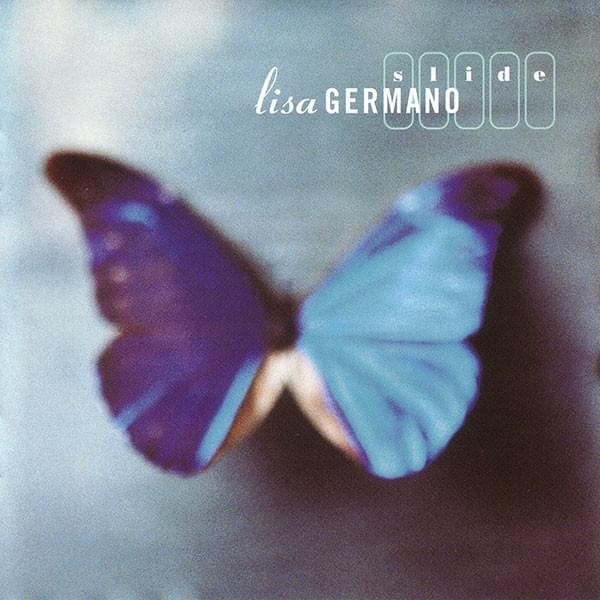
{"song_id": 10328353, "meaning": "Lisa Germano's \"Slide\" isn't a song so much as a whispered confession, a peek into the fractured psyche wrestling with self-perception and the ephemeral nature of feeling. The cyclical structure, hinging on conditional observations, immediately establishes a sense of internal debate. The central question – “If you saw me like I see you…” – unravels into a deeper exploration of self-worth and the terrifying vulnerability of exposing one's true self. There's a quiet desperation in the plea, a yearning to be seen and accepted, perhaps even loved, through another's eyes. The simple lyrics belie a complex emotional landscape. Germano constructs a taut psychological space. \n\nThe repeated acknowledgement of fleeting emotional states—feeling intensely one day only to have it “go away” the next—speaks to the core of the song's meaning. This awareness of emotional transience becomes both a source of anxiety and a guarded defense mechanism. The line \"Have to warn you silently\" hints at a fear of burdening another with the speaker's internal struggles, a fear of rejection rooted in the belief that one's true self is inherently flawed. The use of “slide” as a metaphor, though not explicitly stated in the lyrics, evokes a sense of instability, a constant shifting of perspective and emotional footing. This constant motion prevents any solid ground for self-acceptance. \n\nThe final verse offers a glimmer of hope, though tinged with uncertainty. The shift from conditional observation to a declarative statement – “I would love me” – marks a potential turning point. The closing question, "What if I do?", hangs in the air, unresolved. It's a tentative step towards self-acceptance, a fragile possibility blooming amidst the pervasive anxiety. The song’s true power resides in its stark honesty, its refusal to offer easy answers to the complex questions of identity and self-love. \"Slide\" captures the universal struggle to reconcile our internal self-perception with the external world, leaving the listener to ponder their own reflections in Germano's hauntingly beautiful mirror."}
 View Artist