Song Meaning
The lyrics paint a picture of profound contentment, where external validation or even natural phenomena become irrelevant when contrasted with the narrator's deep connection to another person. The opening stanzas establish a hypothetical scenario: if the most fundamental sources of light and warmth—the sun and stars—were to disappear specifically for the narrator, their presence and affection would still be enough. This isn't just about comfort; it's a declaration that the 'caress' and 'tenderness' are the ultimate sources of well-being. The narrator explicitly states, 'I will be blessed,' framing this personal connection as a divine or ultimate state of grace, irrespective of any cosmic or earthly misfortune.
The central tension lies in the absolute prioritization of this relationship over all else. The narrator poses a series of 'if' clauses, each detailing a significant deprivation: the sun refusing to shine, the stars withholding their light, and even the moon turning away. Yet, in each instance, the presence of the beloved's love, specifically their declaration of 'love me best,' negates any potential for distress or diminished affection. This establishes a powerful emotional anchor, suggesting that the beloved's feelings are the sole determinant of the narrator's happiness and security, rendering all other potential sources of joy or sorrow moot.
A striking element of the craft is the consistent use of conditional statements that escalate in their hypothetical severity, juxtaposed with the unwavering certainty of the narrator's blessed state. The repetition of 'I will be blessed' acts as a powerful refrain, reinforcing the absolute nature of this feeling. Furthermore, the third stanza introduces a subtle shift, focusing on the 'wind' carrying the beloved's name. Whether this name is 'whispered from above' or 'the highest hill,' the narrator's commitment remains, indicated by the simple, emphatic 'I will.' This suggests a devotion that transcends even the physical presence of the beloved, extending to their very essence or reputation.
Ultimately, these lyrics resonate because they articulate an extreme form of emotional self-sufficiency derived from love. The writing effectively uses hyperbole—the sun and stars refusing to shine—to underscore the immense power attributed to the beloved's affection. The narrator isn't just happy; they are 'blessed,' a word carrying connotations of divine favor, implying that this love is the highest form of good fortune. The consistent structure of hypothetical hardship followed by the assurance of being blessed creates a powerful, almost spiritual, testament to the all-encompassing nature of their devotion.
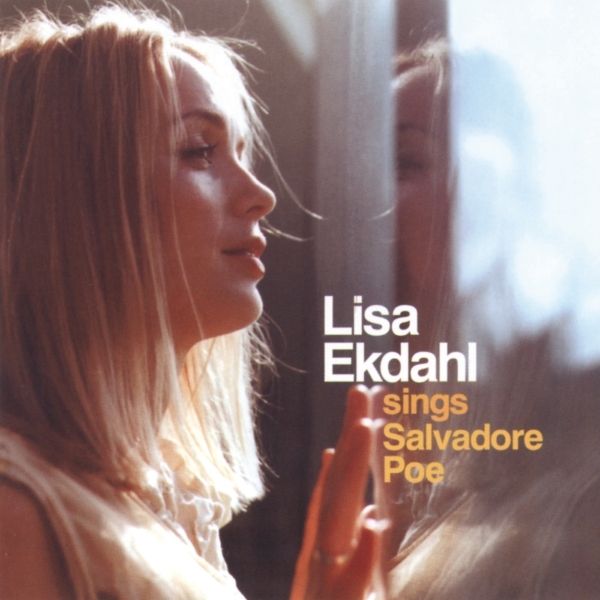
 View Artist