Song Meaning
Lisa Ekdahl's "Blame it on My Youth" isn't a simple lament; it’s a razor-sharp dissection of naiveté weaponized as both excuse and explanation. The lyrics drip with a rueful self-awareness, acknowledging the intensity of early love while simultaneously distancing the present self from that vulnerable past. The phrase "Blame it on my youth" acts as a recurring shield, deflecting responsibility for the speaker's past actions and emotions. It's a fascinating push-pull between owning one's experiences and attributing them to the follies of adolescence. Ekdahl's genius lies in the ambiguity; is she genuinely seeking forgiveness, or is this a subtle form of self-deprecation, a way to subtly mock the intensity of youthful passion through the lens of maturity?
The lyrical content centers around the all-consuming nature of first love – the kind that makes you forget to eat, sleep, or pray. The speaker admits to believing in "everything / Like a child of three," highlighting the almost childlike innocence that colored her perception of the relationship. This vulnerability is starkly contrasted with the knowing tone of the chorus, where the phrase "Blame it on my youth" serves as a buffer against judgment. It suggests a learned cynicism, a defense mechanism built upon the foundation of past heartbreak. The repetition of the phrase reinforces this idea, transforming it from a simple excuse into a mantra of self-preservation.
Ultimately, the song meaning of "Blame it on My Youth" rests on this tension between innocence and experience. Ekdahl masterfully captures the bittersweet quality of looking back on one's younger self, acknowledging the intensity of feeling while simultaneously recognizing the inherent immaturity that often accompanies it. The lyrics analysis reveals a complex portrait of a woman grappling with her past, using the excuse of youth as both a shield and a subtle commentary on the transformative power of time and experience. It leaves the listener pondering the fine line between excusing youthful indiscretions and genuinely understanding the profound impact they have on shaping who we become.
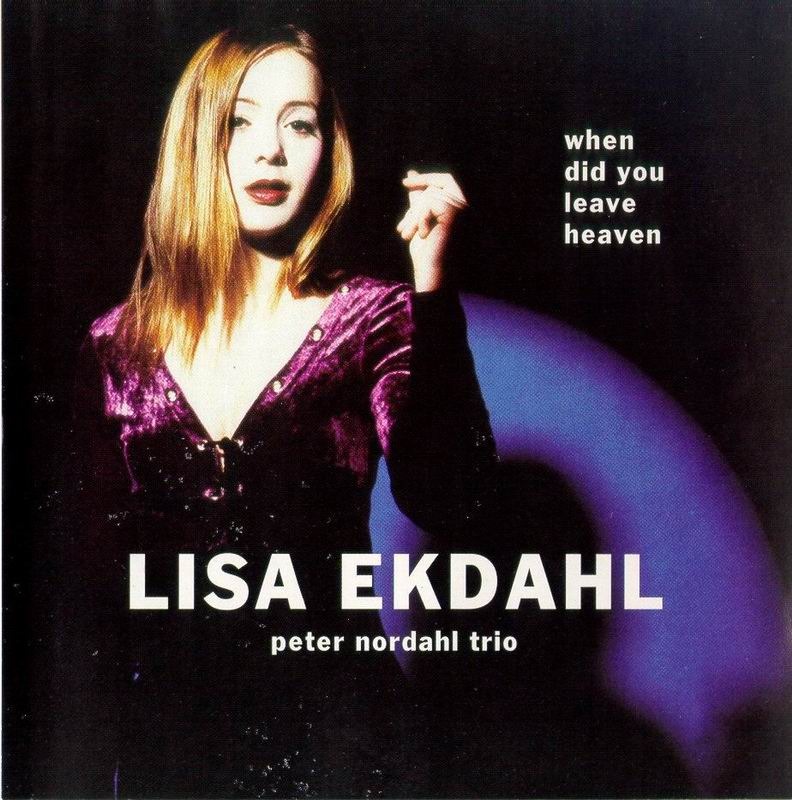
 View Artist