Song Meaning
The lyrics paint a picture of a dystopian present, where technology has advanced to a point of alienation and societal decay. The opening lines, "Jaguars fly on holographic streets / People die or should I say delete?", immediately establish a futuristic, yet grim, setting. This isn't just about physical death; the word "delete" suggests a dehumanization, a loss of identity in this advanced, yet broken, world. The narrator expresses a deep longing for a past that feels lost, questioning "Who's reading Gray's Almanac?", a reference to a publication that tracks historical weather patterns, implying a disconnect from understanding or even caring about the past.
The core tension lies in the narrator's profound disillusionment with the current state of affairs, encapsulated by the repeated phrase "American blues." This isn't just sadness; it's a weariness with a national identity that demands loyalty ("Love it or leave it") while simultaneously embodying a broken system. The "insanity" and "bad disease" mentioned in the pre-chorus point to a widespread societal sickness, a pervasive negativity that overshadows any sense of gratitude. The narrator feels adrift, unable to reconcile the perceived reality with what should be.
The most striking aspect is the persistent declaration, "We're on the darkest timeline." This phrase, often associated with alternate realities in popular culture, here serves as a stark metaphor for a present that feels irrevocably wrong, a deviation from a better path. The lyrics suggest a collective delusion, where "Facts are lies, the crater is a throne," indicating a world where truth is inverted and corrupted power structures are normalized. The inability to remember yesterday, "I can't remember who I was yesterday / Probably someone better," underscores this sense of lost identity and a yearning for a more authentic self that has been erased by the present.
Ultimately, these lyrics resonate because they articulate a feeling of profound societal malaise and personal disorientation. The blend of futuristic imagery with a classic "blues" sensibility creates a unique emotional landscape. The narrator's plea to "see / This is not reality" and the desperate refrain of being on the "darkest timeline" capture a shared anxiety about a world that feels increasingly fractured and unrecognizable, making the listener question the very fabric of their own perceived reality.
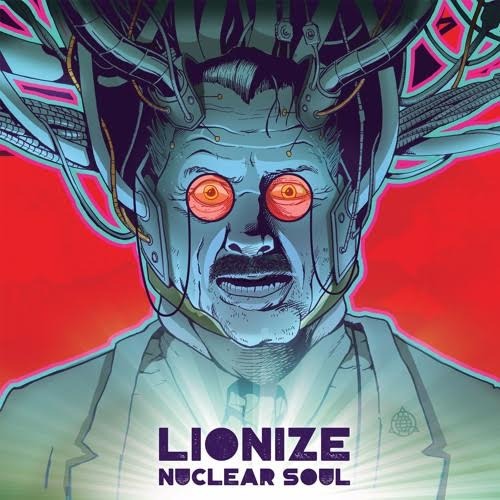
 View Artist