Song Meaning
The lyrics paint a picture of someone utterly captivated by a new love, to the point of dismissing all past or potential romantic interests. The opening line, "Oh, no one ever left alive in nineteen hundred and eighty-five will ever do," sets a tone of finality and exclusivity. This isn't just a preference; it's a declaration that a specific past, represented by the year, is definitively over, and only the current object of affection matters. The narrator explicitly states, "She may get love, but she won't get mine, 'cause I got you," reinforcing this singular focus.
The central tension arises from the overwhelming, almost addictive nature of this new romance. The repeated chorus, "Well, I just can't get enough of that sweet stuff my little lady gets behind," suggests a deep satisfaction and perhaps a hint of indulgence. This feeling is so potent that it eclipses any previous experiences or expectations, as evidenced by the narrator's surprise that their mother's prediction of finding love has come true for them. The phrase "sweet stuff" is deliberately vague, allowing the listener to project their own ideas of romantic bliss onto the lyrics.
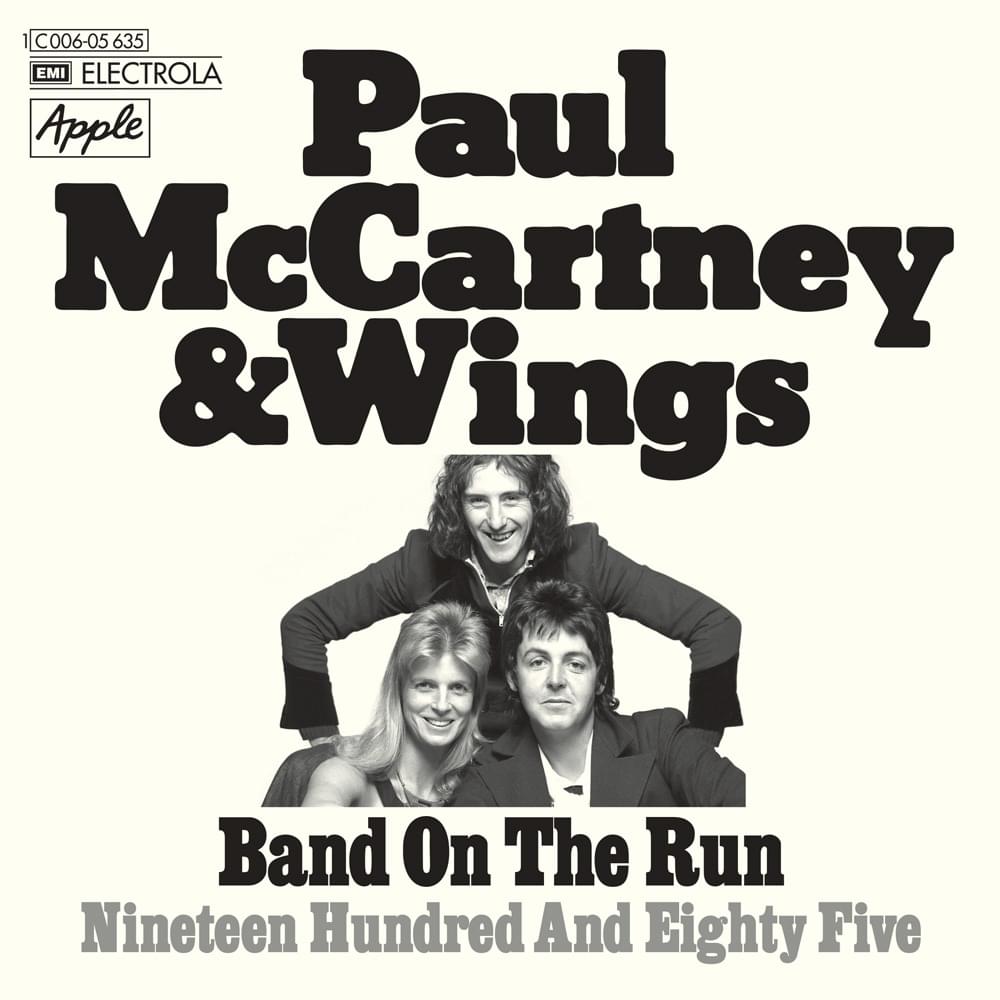
The most striking craft element is the juxtaposition of the specific, almost historical marker of "nineteen hundred and eighty-five" with the timeless, visceral language of infatuation. The year itself feels like a symbolic endpoint, a time that has passed and from which no one (romantically speaking) has returned. This contrasts sharply with the immediate, present-tense "I got you" and the insatiable "can't get enough." The outro's repetition of "Band on the run" adds another layer, hinting at a sense of escape or perhaps a shared, exhilarating flight from the mundane into this passionate new reality.
These lyrics resonate because they capture that exhilarating, all-consuming phase of falling in love. The writing grounds this intense emotion in concrete declarations and a memorable, if slightly enigmatic, temporal reference. The feeling of being so completely swept away that nothing else matters is palpable, making the narrator's singular devotion feel both understandable and powerfully expressed through the song's direct language and insistent rhythm.
 View Artist