Song Meaning
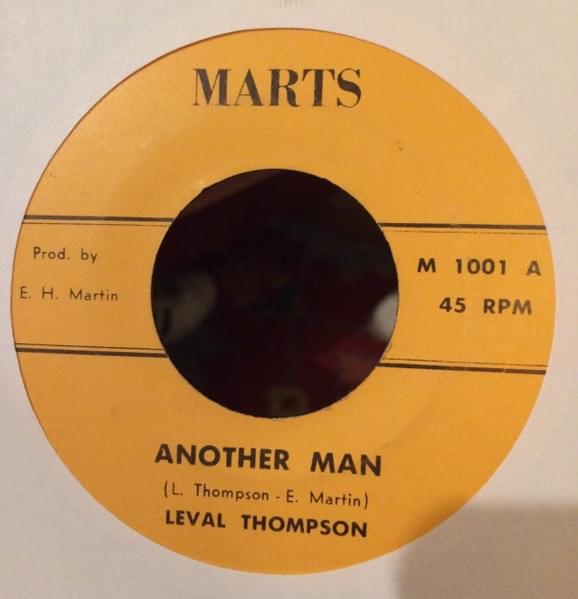
The lyrics immediately plunge into a scene of raw, intimate betrayal. The speaker observes his "woman" with "another man," expressing a profound sense of personal loss. The repeated "Holy, holy" in the intro and bridge sets an intense, almost desperate emotional tone. It's a direct confrontation with infidelity.
The central emotional tension stems from the speaker's stunned processing of this intimate betrayal. The phrase "Good gracious" appears repeatedly, initially sounding like a quaint exclamation, but quickly transforming into a disbelieving refrain as the reality of "making love" with someone else sinks in. This almost polite phrasing clashes sharply with the visceral pain of the situation, highlighting a deep, internal shock.
A key craft element is the stark juxtaposition of the sacred and the profane. The recurring "Holy, holy" could be interpreted as a desperate, almost ironic prayer, or perhaps a stunned, spiritual awe at the depth of the betrayal. This intense invocation stands in sharp contrast to the mundane, yet devastating, reality of "another man" and the speaker's subsequent cynical declarations about love's impermanence.
These lyrics effectively chart a progression from immediate shock to a hardened disillusionment. The speaker moves from observing the painful present to making sweeping, cynical vows about the future: "never will I trust for pretty faces" or "give my love for money." The repeated assertion that love "will never last eternally" solidifies this newfound cynicism. The final, understated "It's a shame" acts as a quiet, weary coda, suggesting a deep, irreversible wound rather than an explosive outburst, making the emotional impact all the more resonant.
 View Artist