Song Meaning
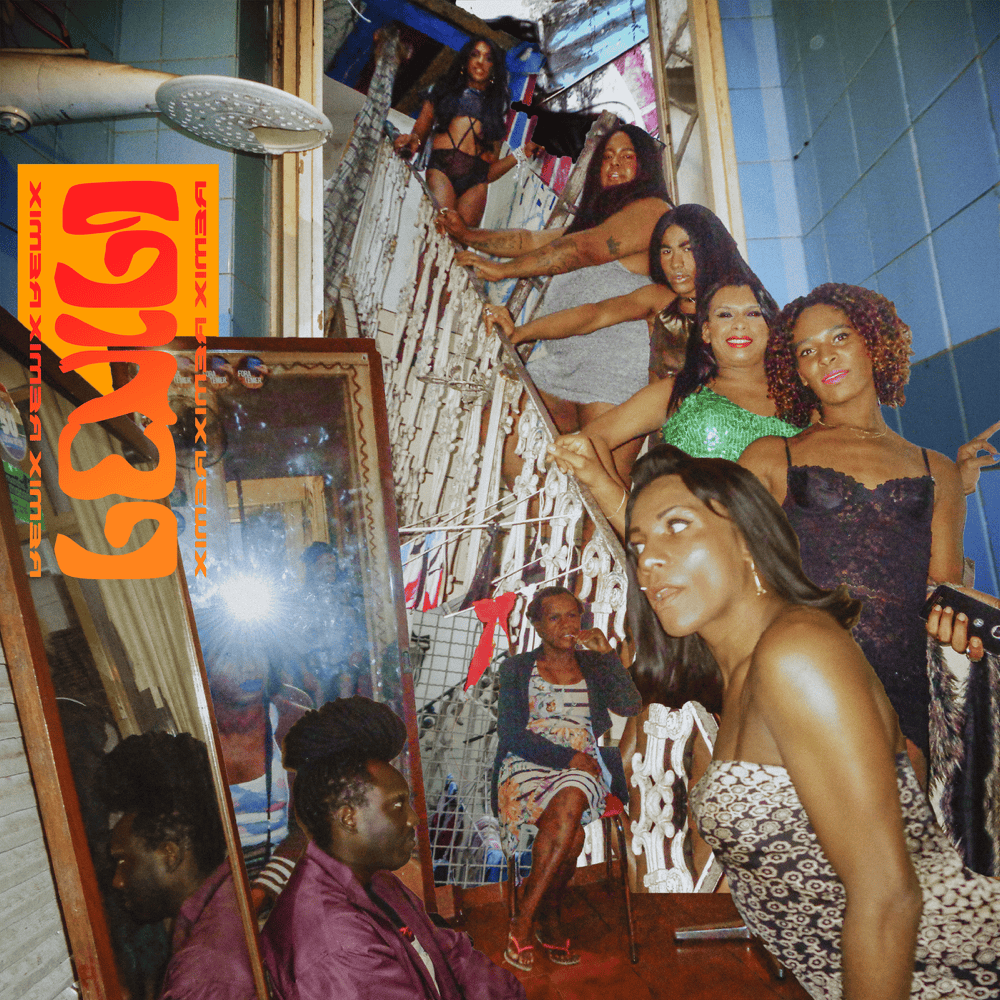
The track opens with a defiant chant, a rhythmic invocation that builds anticipation. The repeated exclamations like "Ai que bicha!" and "Ai que bruxa!" are reclaimed slurs, transformed into declarations of power and identity within a drag context. This isn't just a song; it's a ritual, a conjuring of self-love and unapologetic fabulousness. The narrator explicitly states, "Eu faço necomancia!" – I perform necromancy – framing their art as a magical act of resurrection and transformation.
The central tension lies in the subversion of negativity. What might be intended as insults are flipped into badges of honor. The lyrics celebrate the beauty of drag queens, "A gente tá tão bonita / Só por que é drag queen," directly challenging any notion that their chosen expression is anything less than stunning. This defiance is further amplified by the raw, almost aggressive repetition of "Sua piroca," a crude assertion of dominance and ownership over sexuality and desire, cutting through any pretense.
The most striking craft element is the deliberate repetition and the stark contrast between the playful, almost taunting "Ai que bicha!" and the abrupt, stark "Violence" at the end. The initial phrases create a sense of playful, almost witchy energy, a reclaiming of derogatory terms. The sudden shift to "Violence" in the outro, however, introduces a jarring, darker undertone, suggesting that the act of asserting such a powerful, visible identity, especially within marginalized communities, can indeed be met with or perceived as a form of violence. It leaves the listener with a lingering sense of unease, hinting at the real-world struggles behind the celebratory facade.
Ultimately, the lyrics resonate because they capture the dual nature of reclaiming marginalized identities. There's immense power and joy in the self-declaration and the creation of a chosen family and aesthetic, as seen in the "bixaria" and drag queen celebration. Yet, the abrupt ending with "Violence" acknowledges the inherent risks and the societal pushback that often accompanies such bold self-expression. It’s a potent reminder that the magic of necromancy, in this context, is not just about transformation but also about survival.