Song Meaning
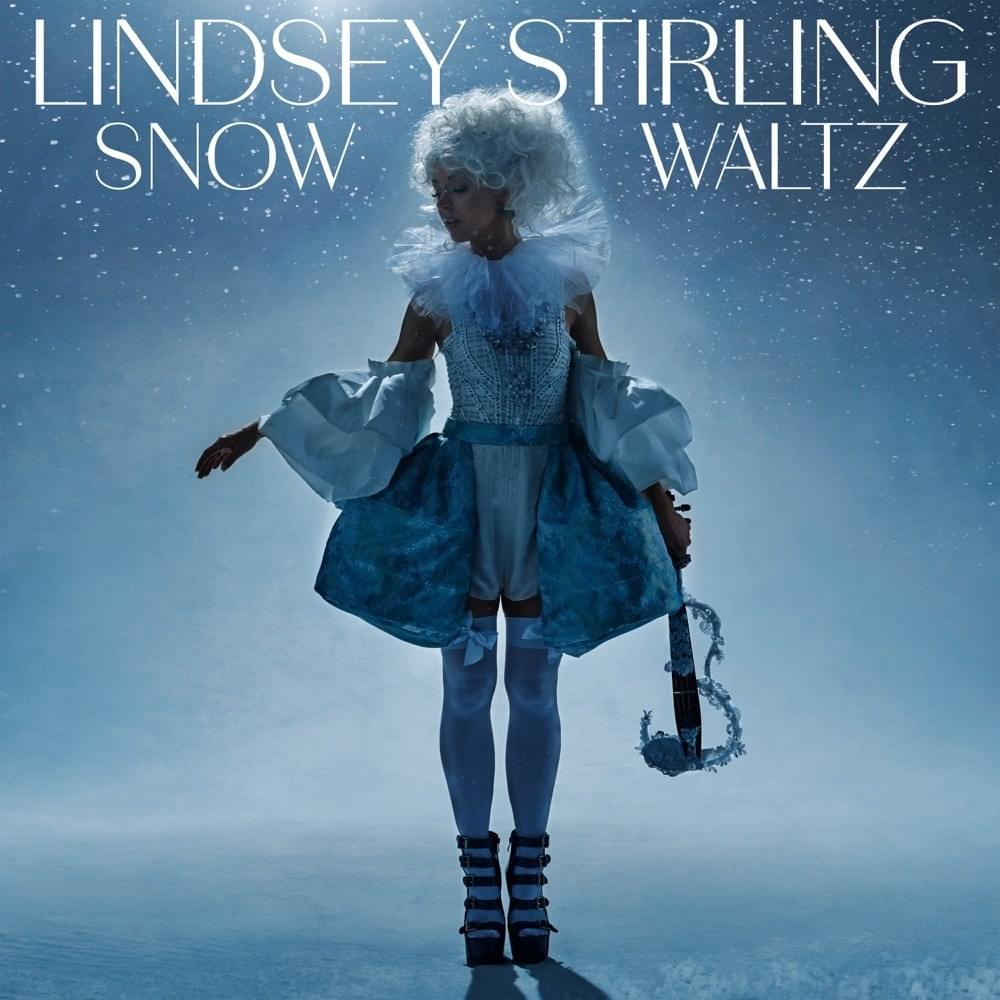
Lindsey Stirling's instrumental interpretation of "O Come, O Come, Emmanuel" transcends the typical Christmas carol, becoming a powerful statement of hope and resilience. Stripped of its traditional vocal delivery, the song’s inherent longing for redemption is amplified through Stirling’s violin. The melody, already steeped in centuries of yearning, takes on a new dimension as the strings cry out for deliverance. Stirling doesn't just play the notes; she embodies the emotional core of the ancient hymn, transforming it into a visceral experience. It's no longer just a religious plea but a universal expression of the human condition, resonating with anyone who has ever felt lost or yearned for a brighter future. The repetition of "Rejoice" in the lyrics, usually a triumphant declaration, here feels more like a fragile mantra, a desperate attempt to cling to joy amidst despair. This tension between hope and sorrow is what makes Stirling’s rendition so compelling. It's a reminder that even in the darkest of times, the possibility of light remains.
Consider the historical context of the original hymn. Believed to have roots stretching back to the 8th century, "O Come, O Come, Emmanuel" originated during a period of immense upheaval and uncertainty. The lyrics, a plea for the coming of the Messiah, reflected the collective desire for salvation and peace. Stirling's interpretation taps into this primal need for hope, offering solace to a modern audience grappling with its own anxieties and uncertainties. The absence of lyrics in most of the song forces the listener to confront these emotions directly, without the filter of language. The violin becomes the voice of the voiceless, expressing the inexpressible. The song meaning, therefore, lies not just in the notes themselves, but in the emotional space they create, inviting listeners to find their own meaning within the music.
Ultimately, Lindsey Stirling's take on "O Come, O Come, Emmanuel" is a testament to the power of instrumental music to convey complex emotions. It's a reminder that even without words, music can be a powerful force for healing and hope. The song’s message, even in its instrumental form, is clear: Hold on. There is always the possibility of redemption. The repeated call to "Rejoice" isn't just a suggestion; it's an act of defiance against the darkness, a declaration that even in the face of despair, the human spirit can endure.
 View Artist