Song Meaning
Lindsey Buckingham's "Turn It On" isn't a command; it's a coaxing, a whispered pep talk delivered to someone reeling from loss. The lyrics, stripped bare of narrative detail, focus instead on the raw mechanics of resilience. "Someone has left you alone...Someone is dead and gone," Buckingham observes, not with pity, but with a stark acknowledgment of life's inevitable blows. The core message revolves around activating an inner strength, a primal switch that allows one to navigate grief and continue functioning. The repetition of "Turn it on" acts as a mantra, an activation code for self-preservation.
Buckingham avoids sentimental platitudes, opting instead for a pragmatic, almost existential approach. The verses list a series of binary oppositions – "love, hate," "laugh, cry," "live, die" – underscoring the chaotic spectrum of human experience. Within this chaos, the song suggests, lies the potential for both profound pain and equally profound healing. The act of "turning it on" is not about denying the pain, but about harnessing the energy it generates. It's about choosing to engage with life, even when every instinct screams for retreat.
The song's power lies in its universality. The absence of specific context allows listeners to project their own experiences of loss and trauma onto the lyrics. It's a song for anyone who has ever felt paralyzed by grief, offering a pathway, not to resolution, but to renewed agency. "Turn It On" suggests that the power to heal, to endure, to simply *be*, resides within us, waiting for the right moment, the right impetus, to be awakened. The song meaning ultimately points to the human capacity for self-activation in the face of adversity.
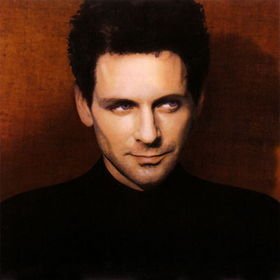
 View Artist