Song Meaning
Lindsey Buckingham's "Bel Air Rain" isn't a postcard from sunny California; it's a portrait of disillusionment washed in existential dread. The song circles around a central image: standing in the Bel Air rain, a place typically associated with wealth and celebrity, now rendered bleak and isolating. This rain becomes a metaphor for a persistent, internal sorrow, a constant drizzle on the soul. The opening lines hint at a past struggle, "fighting for a cause I can't remember anymore," suggesting a loss of purpose or idealism. The feeling of being "framed" and waiting for a knock that never comes points to a sense of betrayal or abandonment. The repeated lines, "I changed my name, I went insane, Still I can't complain," hint at a coping mechanism—a resigned acceptance of a difficult reality. There's a sense of detachment, as if the speaker has become numb to the pain.
The lyrics also explore themes of identity and reputation. The line, "In my younger days I was mistaken for a whore," suggests a past misjudgment or a tarnished image that continues to haunt the speaker. This line adds a layer of vulnerability and hints at societal pressures and judgments. The observation that "everyone's peace lives side by side with their war" reflects a universal struggle, acknowledging the inherent duality of human existence. However, the subsequent line, "But eventually everyone gets tamed," introduces a pessimistic outlook, suggesting that the fight for individuality and freedom is ultimately futile.
The repetition of "Standing in the Bel Air rain" throughout the song reinforces the feeling of being stuck in a state of emotional stagnation. The rain, in this context, is not cleansing or refreshing but rather a constant reminder of past failures and present discontent. The stark contrast between the glamorous setting of Bel Air and the dreary image of rain creates a sense of irony, highlighting the emptiness and superficiality that can exist beneath the surface of wealth and success. Ultimately, "Bel Air Rain" is a melancholic reflection on loss, identity, and the struggle to find meaning in a world that often feels isolating and disillusioning. It's a testament to Buckingham's ability to capture complex emotions with simple yet evocative lyrics.
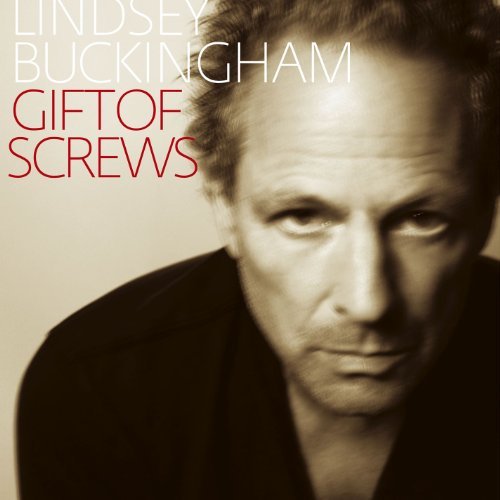
 View Artist