Song Meaning
Lindsey Buckingham, the architect of so many Fleetwood Mac masterpieces of romantic wreckage, distills heartbreak to its barest, most elemental form in "All My Sorrows." The song isn't a sprawling narrative of love gone wrong, but a tight, almost meditative loop focusing on loss and the fragile hope of eventual healing. The repetition of 'Only one thing that troubles my mind / My love is gone, left me behind' acts as a mantra, a way to both acknowledge the pain and, perhaps, begin to process it. Buckingham isn't wallowing; instead, he's identifying the core wound. It's a study in emotional economy, a masterclass in saying so much with so little.
The lyrical simplicity belies the song's emotional complexity. The recurring phrase 'All my sorrows soon forgotten' isn't necessarily a statement of fact, but more likely an aspiration, a self-soothing promise whispered in the face of profound sadness. The line 'Only one thing that money can't buy / True love that will never die' hints at a deeper understanding of love's intrinsic value, beyond the material world. It suggests that the narrator has learned a difficult lesson about the ephemeral nature of relationships and the irreplaceable quality of genuine connection.
That stark declaration, 'But it's too late my love / Too late, but never mind,' is the song's emotional fulcrum. It’s a moment of acceptance tinged with resignation. The 'too late' acknowledges the irretrievable loss, while the 'never mind' isn't flippant dismissal, but a weary attempt at forward momentum. It’s the sound of someone picking up the pieces, understanding that the scars of love lost will always remain, but that life, somehow, continues. Buckingham's genius lies in capturing this nuanced blend of sorrow and resilience with such understated grace. The meaning of "All My Sorrows" resides in that delicate balance.
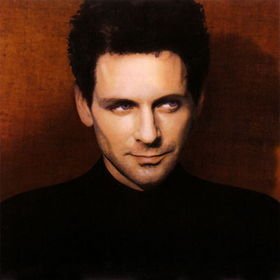
 View Artist