Song Meaning
The narrator paints a stark picture of emotional extremes, contrasting the soaring heights of the "High Sierra" with the desolate depths of "Death Valley." This opening immediately establishes a sense of vast, unpredictable experience, suggesting a life lived at the furthest poles of feeling. The core tension emerges in the self-assessment: "right, mostly wrong," a confessional that sets up a crucial dichotomy. This isn't just about external circumstances; it's an internal reckoning with personal judgment and perception.
The central conflict seems to hinge on a past relationship, specifically the narrator's misjudgment of a person versus their understanding of themselves. The line "Wrong about you, right about me" is repeated, hammering home this central theme of misplaced trust or flawed perspective regarding another, contrasted with a growing, perhaps painful, self-awareness. The lyrics suggest a deep-seated regret or realization that their own internal compass was skewed when it came to this particular connection.
What's particularly striking is how the narrator uses natural, extreme landscapes to frame their internal state, but then pivots to a more grounded, almost mundane observation: "Did you know the sun shines when it rains?" This unexpected detail offers a glimmer of hope or a different way of seeing, implying that even in difficult times, there can be unexpected positives or resilience. It subtly shifts the narrative from pure despair to a more complex, nuanced understanding of emotional weather.
Ultimately, these lyrics resonate because they capture the universal human experience of navigating extreme emotions and the often-painful process of self-discovery through relational missteps. The stark imagery and the insistent refrain create a powerful emotional arc, moving from a confession of past errors to a tentative assertion of self-knowledge. The repeated final lines suggest a determined, if weary, acceptance of this hard-won truth.
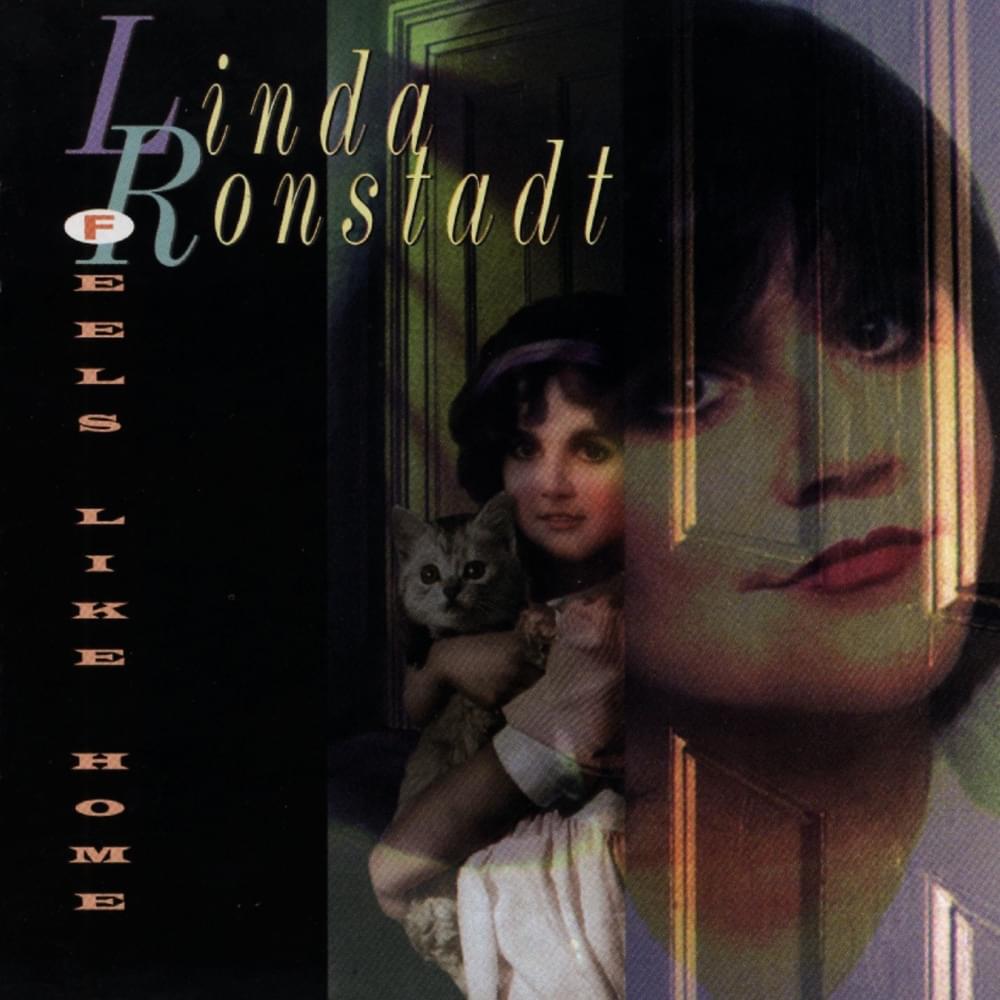
 View Artist