Song Meaning
It's late, the bar is empty, and the narrator is drowning his sorrows with the bartender, Joe. The scene is set with a sense of finality, marking the "end of a brief episode." The repeated plea, "Make it one for my baby / And one more for the road," establishes a ritualistic comfort sought in alcohol as the narrator prepares to face a lonely journey ahead. The dominant tone is one of weary resignation and a desperate need for a sympathetic ear, even if it's just the bartender's.
The core tension arises from the narrator's internal turmoil versus the need to maintain composure. He admits to being "a kind of poet" with "a lotta things to say," particularly when "gloomy," but he also acknowledges Joe's need to close and his own obligation to "be true to your code." This creates a conflict between the desire to unload a painful story and the awareness of imposing on the bartender's time and professional boundaries. The "torch that I've found, must be drowned / Or it soon will explode" powerfully conveys the overwhelming nature of his unspoken pain.
The lyrics masterfully use the setting and the implied relationship to amplify the emotional weight. The specificity of "quarter to three" and the empty bar heightens the sense of isolation. The recurring phrase "one more for the road" isn't just about another drink; it's a poignant acknowledgment of the solitary path awaiting him. The narrator's self-description as a "poet" adds a layer of vulnerability, suggesting a sensitivity that makes his current suffering particularly acute, even if he frames it with a touch of self-deprecating humor.
This piece resonates because it captures a universal feeling of needing to process a significant ending, however small, with a moment of solitary reflection and a final, comforting ritual. The craft lies in its directness and the understated portrayal of profound sadness. The narrator isn't asking for advice or pity, just a moment of shared, quiet understanding before facing the "long, long road" alone. The final "See ya Frank" adds a touch of poignant, perhaps imagined, familiarity, underscoring the narrator's deep-seated loneliness.
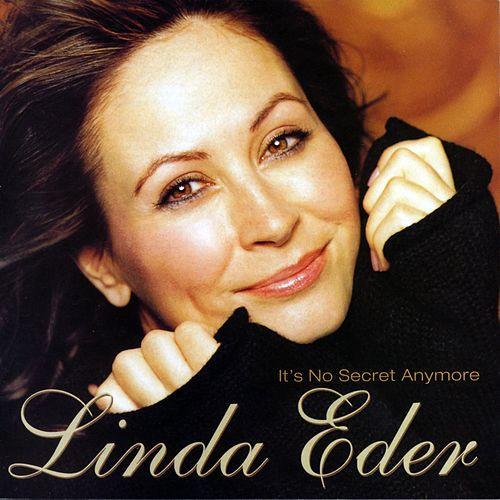
 View Artist