Song Meaning
The lyrics capture a nostalgic yearning for the pure, unadulterated joy of Christmas, experienced through the innocent perspective of childhood. Initially, the narrator recalls a time of eager anticipation, associating the season with outward festivities like parties and caroling, believing they grasped its essence. However, this understanding was superficial, focused solely on the tangible elements of holiday decoration – the tree, ornaments, and garlands – which comprised the entirety of their Christmas experience.
The central tension arises from the narrator's realization that their adult understanding had somehow lost the magic they once possessed. The line "Then someone told me Christmas is for children / And I left that behind too long ago" marks a pivotal moment of self-awareness. It suggests a disconnect, a feeling that the adult world had overshadowed the genuine wonder, leading them to abandon that childlike perspective in favor of a more jaded or complex view.
The most striking element is the transformative power of parenthood, specifically seeing Christmas through their "new son's eyes." This external perspective acts as a catalyst, reawakening the lost wonder. The narrator finds that by observing their child's reaction to familiar holiday cues – the season's arrival, a Christmas melody – the true spirit of Christmas is rekindled within them. The lyrics suggest that the child's unprompted delight becomes the new, authentic "reason" for the season.
This piece resonates because it articulates a common sentiment: the erosion of childhood magic through adulthood and the profound rediscovery of that wonder through the eyes of a new generation. The simple, direct language mirrors the clarity of a child's view, making the emotional arc from lost innocence to rediscovered joy feel both personal and universally understood. The final lines, "He'll bring Christmas back to me," powerfully encapsulate this redemptive experience.
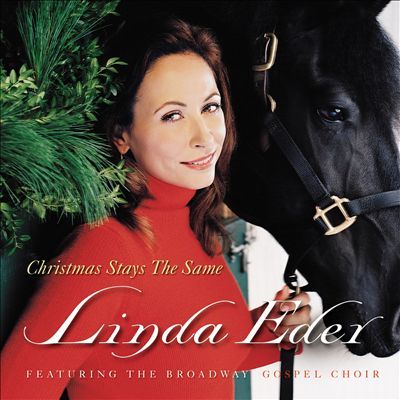
 View Artist