Song Meaning
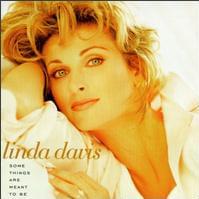
Linda Davis's "Some Things Are Meant To Be" isn't just a love song; it's a full-throated embrace of fate, a surrender to the perceived inevitability of connection. The lyrics bypass coy flirtation, instead diving headfirst into the deep end of mutual attraction. The singer acknowledges shared feelings and urges the other person to stop resisting what feels preordained. There's an almost forceful quality to the suggestion, discarding the possibility of free will in favor of a cosmic alignment. The repeated lines emphasize the futility of resistance. It's less about choice and more about recognizing a pre-set path. The 'river rollin' to the ocean' is a classic metaphor, but here it's deployed with conviction, suggesting a force far greater than individual desire at play.
The song's core argument hinges on the idea that certain bonds are divinely ordained or simply inevitable. The 'destiny that the good Lord put into motion' invokes a higher power, framing the relationship as part of a larger plan. This element removes personal responsibility, positioning the lovers as passive participants in their own story. The comparison to 'a baby's tears and a mother's devotion' further reinforces the theme of natural, unbreakable bonds. These are presented as fundamental truths, mirroring the perceived certainty of the romantic connection.
But beneath the surface of unwavering belief in destiny, a subtle vulnerability flickers. The repeated urging to 'let your guard down' hints at an underlying fear of rejection. The singer needs reassurance, not just of attraction, but of complete surrender to this predetermined path. The song becomes less about celebrating fate and more about desperately seeking validation that this 'meant to be' connection is, in fact, mutual. The intensity of the conviction almost betrays a fear that the other person might choose a different course, disrupting the carefully constructed narrative of inevitability that the lyrics so passionately defend. Ultimately, "Some Things Are Meant To Be" explores the complex interplay between desire, destiny, and the human need for connection, even when cloaked in the language of fate.
 View Artist