Song Meaning
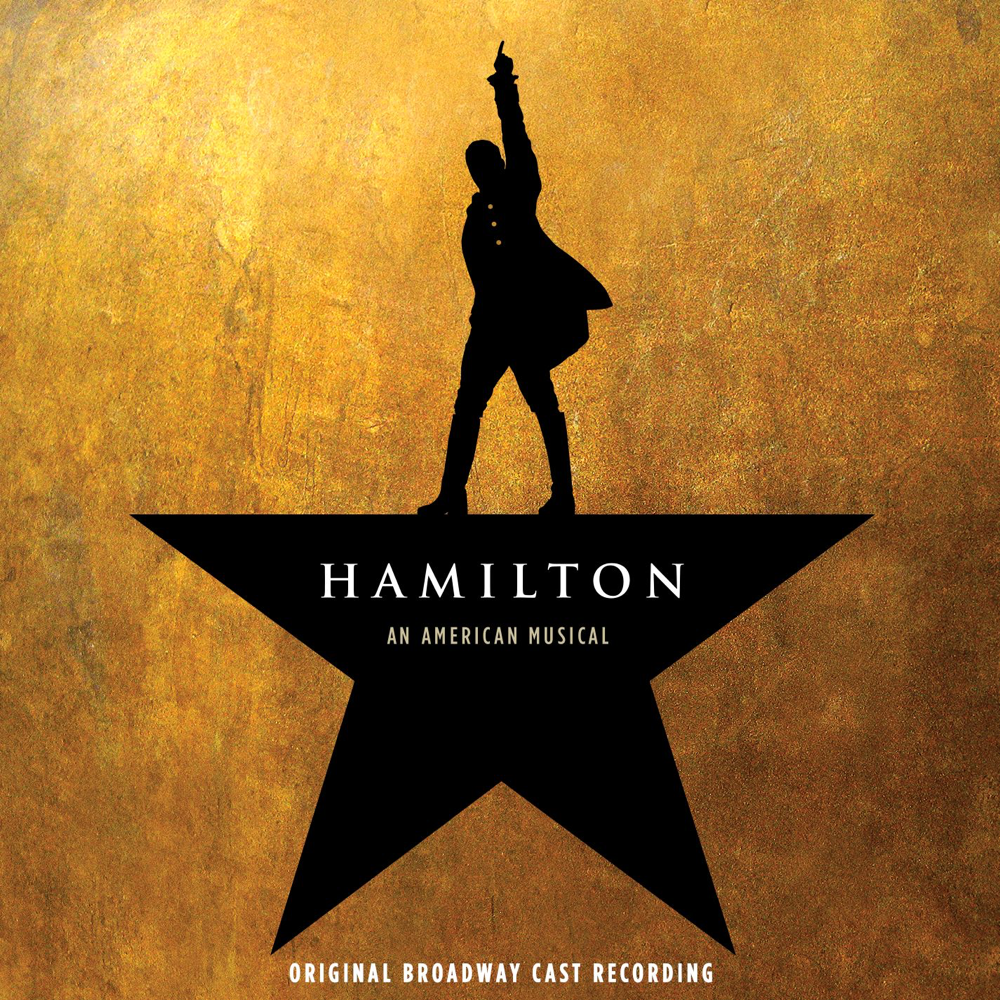
{"song_id": 12975580, "meaning": "Lin-Manuel Miranda's \"History Has Its Eyes on You,\" from the musical *Hamilton*, is less a song and more a chilling thesis statement about legacy, responsibility, and the crushing weight of expectations. Sung primarily by George Washington to a young, ambitious Alexander Hamilton, the song’s meaning revolves around the idea that every action, especially those of leaders, is perpetually scrutinized by the unforgiving gaze of posterity. It's a sentiment delivered not as a triumphant call to action, but as a stark warning, tinged with the bitterness of experience. Washington isn't just telling Hamilton to be mindful; he's confessing his own past failures and the sleepless nights haunted by the specter of historical judgment.
The core tension in \"History Has Its Eyes on You\" stems from the inherent human desire for control versus the ultimate lack thereof. Washington explicitly states, \"You have no control / Who lives, who dies, who tells your story.\" This isn't just about physical survival in battle; it's a deeper acknowledgement that one's narrative is ultimately shaped by forces beyond their grasp. The song’s lyrics are a potent reminder that even the most meticulously crafted image can be undone by the capricious nature of fate and the subjective interpretations of future generations. The repetition of the phrase \"History has its eyes on you\" acts as both a motivator and a threat, highlighting the double-edged sword of ambition.
What makes \"History Has Its Eyes on You\" so psychologically resonant is its exploration of vulnerability beneath the veneer of power. Washington's admission of past mistakes and ongoing anxieties humanizes him, transforming him from a marble statue into a fallible figure burdened by the implications of his decisions. The song underscores the psychological toll of leadership, the constant pressure to measure up to an idealized version of oneself projected onto the historical record. It is a complex contemplation on legacy, warning against the seductive allure of glory while simultaneously recognizing its undeniable pull on the human psyche. Ultimately, Miranda uses this song to ask: how do we reconcile our personal ambitions with the immense responsibility of shaping history, knowing that our actions will be dissected and judged long after we are gone?"}
 View Artist