Song Meaning
The narrator seems caught in a cycle of perceived judgment and a desperate need for validation. They repeatedly state, "I'd lie, I would lie," suggesting a willingness to bend the truth to escape scrutiny or to please an external force. This isn't about malicious deception, but rather a profound discomfort with being perceived as "inordinately different" or "difficult or hard to take." The core tension lies between an authentic self that might be flawed and a manufactured persona designed to appease.
The chorus, "Bring it on, make it right / Bring it out, to the light," acts as a defiant plea. It's a call for confrontation, an invitation for the perceived judge to reveal their worst, with the underlying hope that this exposure will somehow lead to correction or understanding. The phrase "Pick me up, satellite" is particularly striking, evoking a sense of being lost and in need of external rescue, perhaps from a higher, more objective perspective. The repetition of "If it's wrong, make it right" underscores the narrator's desire for resolution, even if it means admitting fault.
What's fascinating is the contrast between the first verses and the bridge. The initial verses are about potential lies and perceived flaws, while the bridge offers a glimpse of a shared, idyllic escape: "We like quiet nights on the island." This imagery of "battered stars" and reaching "new heights in this silence" suggests a yearning for peace and connection, a space where the need to lie might dissipate. However, this peace is fragile, as they are "dragged slowly towards the edge," hinting that even this sanctuary is precarious and might not offer true solace.
Ultimately, the effectiveness of these lyrics stems from their raw portrayal of vulnerability and the internal conflict between self-preservation and the desire for acceptance. The narrator’s repeated admissions of willingness to lie, juxtaposed with the defiant chorus, create a compelling portrait of someone struggling with their identity under pressure. It's this push-and-pull, the oscillation between confession and defiance, that makes the emotional landscape so resonant.
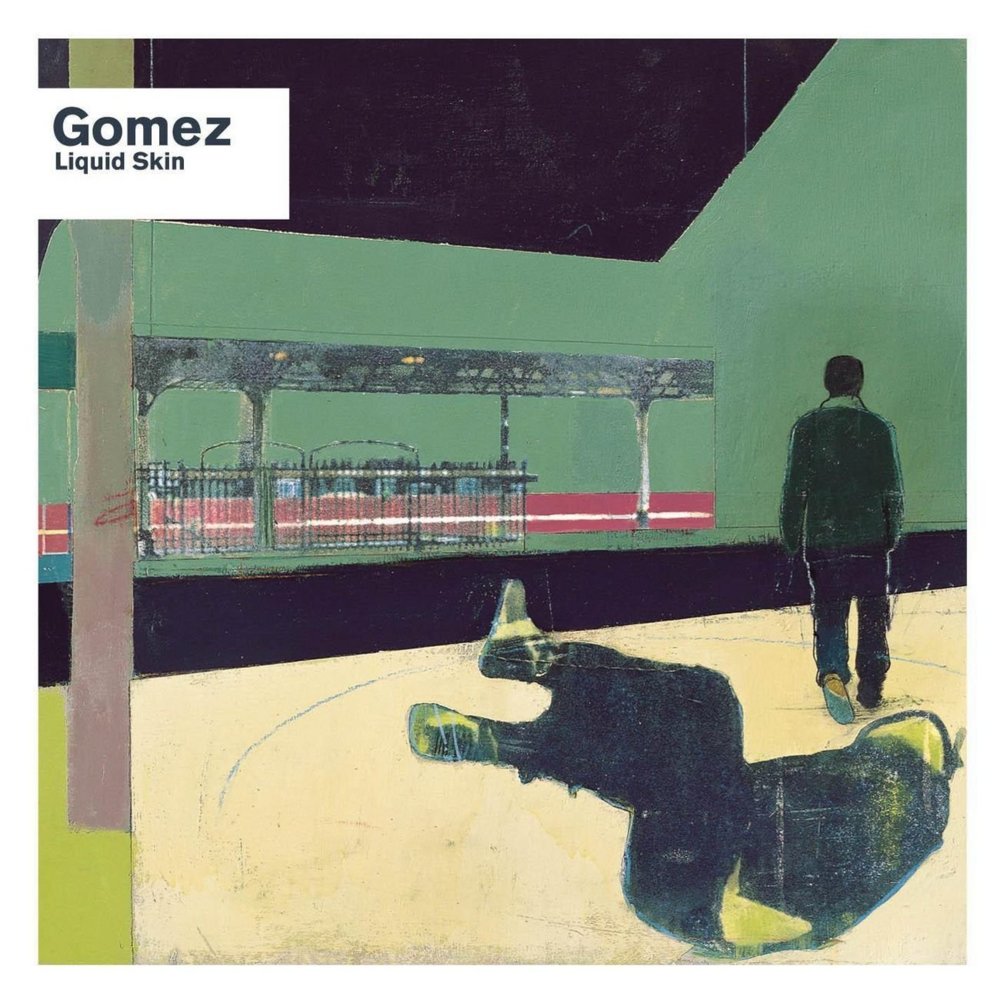
 View Artist