Song Meaning
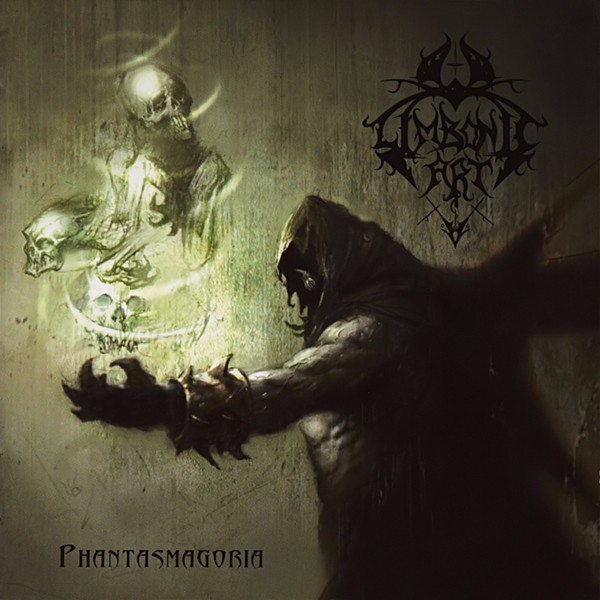
The lyrics paint a grim picture of a world plunged into a post-apocalyptic nightmare, signaling the definitive end of any perceived innocence. The narrator is plagued by 'prophetic dreams' that are not visions of hope, but rather stark premonitions of 'grotesque darkness' and 'total overkill.' These visions are filled with 'blemished landscapes of desolation' and 'dismal post apocalyptic environments,' suggesting a profound societal collapse and a loss of all that was once pure or safe.
The central tension arises from the narrator's struggle to maintain sanity amidst these horrifying visions, which are described as the 'last link to sanity.' The dreams are not mere nightmares but 'vile revelations' that expose the 'ill-will' of mankind, leading to 'ruins of disgraceful rancid nations.' This suggests a deep-seated corruption within humanity that has culminated in this devastating future, with the 'angel of death' now present on Earth.
The lyrical craft relies heavily on stark, visceral imagery and a relentless descent into despair. Phrases like 'warped and putrid images' and 'deteriorating souls of the damned' create a palpable sense of decay and suffering. The comparison of 'ashes of incinerated corpses' drifting 'like desert sand' is particularly striking, merging the vastness of natural desolation with the horrific aftermath of mass death. The recurring theme of darkness, culminating in 'an immense blackness never to be awaken,' emphasizes the finality and hopelessness of this envisioned future.
This lyrical construction is effective because it immerses the listener in an overwhelming atmosphere of dread and finality. The consistent use of dark, decaying, and apocalyptic language leaves no room for ambiguity, forcing a confrontation with the bleakest possible outcomes. The 'prophetic dreams' serve as a powerful narrative device, not to warn of a potential future, but to present an inescapable, horrifying reality that has already begun to manifest.
 View Artist