Song Meaning
This track opens with a bold declaration: "I really and truly am in love this time." The narrator immediately anchors this feeling to a specific person, "너라서" (because it's you), and paints a picture of shared memories bathed in moonlight. The imagery of the moon illuminating "our night" and filling "time beyond" with the presence of "you" establishes a romantic, almost ethereal atmosphere. It’s a classic setup for deep affection, suggesting a love that feels both profound and illuminating.
The core tension emerges as the narrator grapples with a burgeoning insecurity, a subtle shift from the initial certainty. Phrases like "눈에 밟히는 게 많아져" (more things catch my eye) and "괜한 실수들이 잦아져" (needless mistakes become frequent) hint at a growing anxiety. This is amplified by the repeated question, "설마 하는 마음이 커져서" (the thought of 'what if' grows bigger), revealing a fear that this perfect moment might not last. The lyrics suggest a vulnerability beneath the surface of this declared love, a worry that the beloved might not reciprocate or that the relationship might falter.
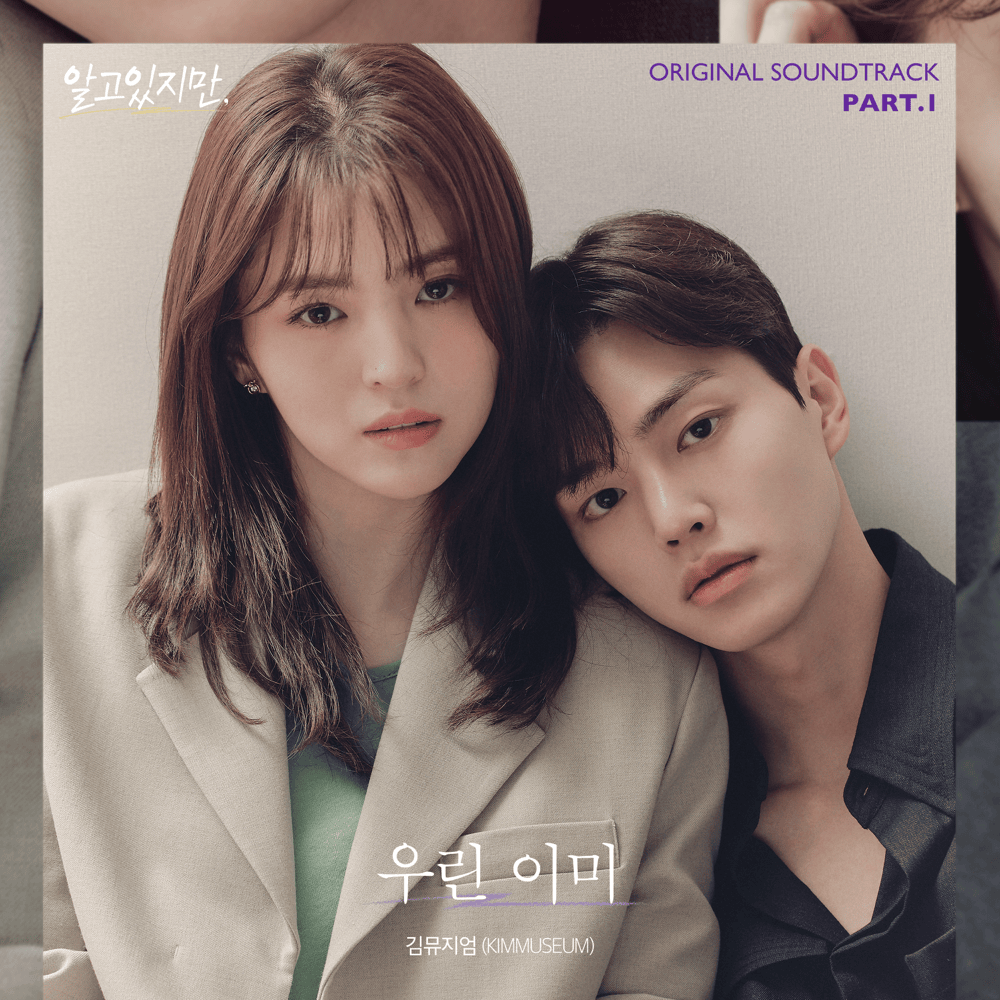
The most striking craft element is the persistent, almost obsessive repetition of "우린 이미 알고 있지만" (we already know but). This phrase acts as a refrain, underscoring a shared understanding that seems to exist alongside the narrator's anxieties. It suggests a mutual, unspoken acknowledgment of their feelings, yet it’s juxtaposed with the narrator’s internal turmoil. The lyrics also repeatedly emphasize the deepening of their connection: "그 속은 깊어져만 가" (that inside only grows deeper) and "시선은 깊어져만 가" (the gaze only grows deeper), creating a sense of being irrevocably drawn into this shared emotional space.
What makes these lyrics resonate is the honest portrayal of love's complexities. It’s not just about the bliss of being in love, but also the quiet fear that accompanies such deep emotional investment. The narrator’s internal monologue, oscillating between confident declarations and hesitant worries, feels authentic. The recurring motif of the moon and the deepening gaze creates a powerful sense of intimacy, while the repeated phrase "we already know but" leaves the listener with a lingering feeling of shared, perhaps unspoken, truths and the quiet hope that this love, despite its inherent uncertainties, will endure.
 View Artist