Song Meaning
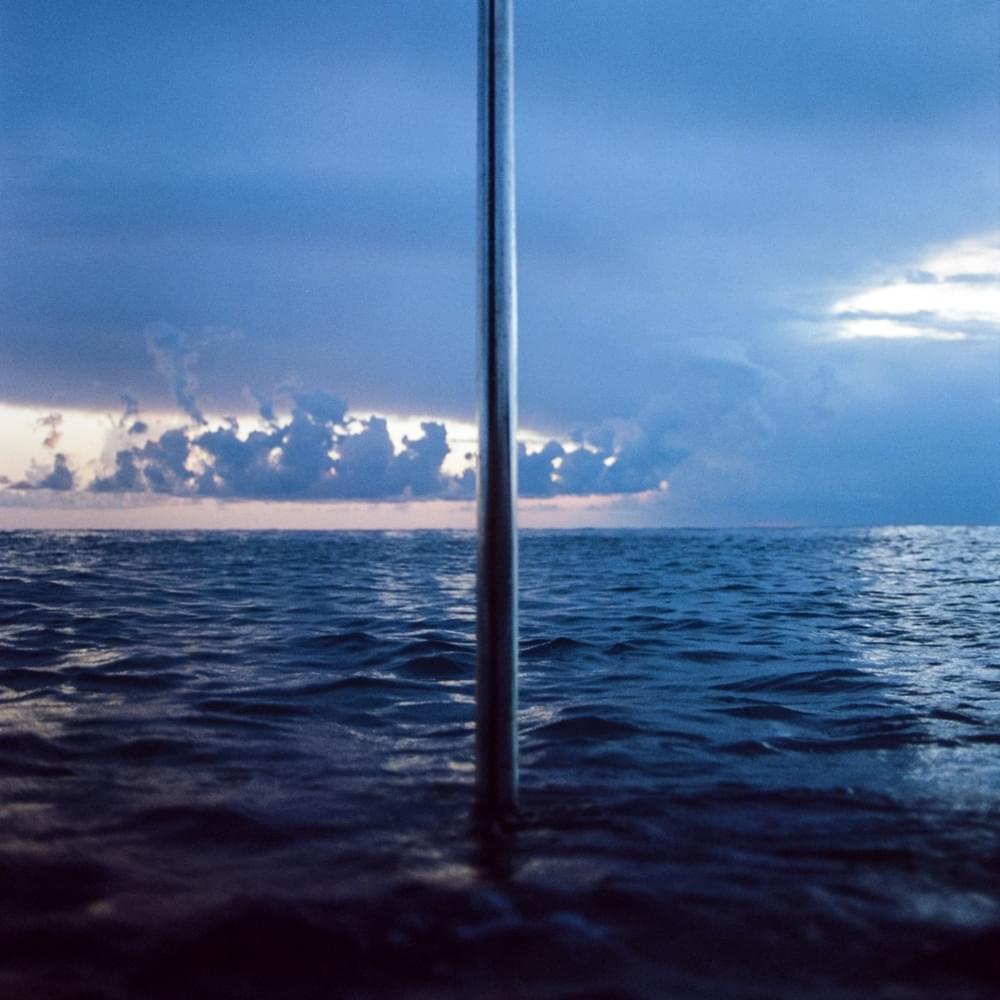
The lyrics paint a stark picture of a relationship teetering on the edge, set against a vast, elemental backdrop of sea and sky. The opening lines immediately establish a sense of permanence tied to a destructive force: "where the sky meets the sea, we'll stay forever." This eternal state is conditional, however, hinging on the other person's actions. If their heart isn't broken by the speaker, the overwhelming "water will take it," suggesting a passive, inevitable doom.
The narrator's plea, "Lead your fingers along the knife's edge," and the stark declaration, "My name is fire, yours is a conflagration," reveal a volatile, self-destructive dynamic. This isn't a gentle love; it's an all-consuming inferno. The speaker dismisses notions of fate, opting instead for a desperate, almost sacrificial command: "Burn for me." The repeated question, "If this is love," underscores the uncertainty and pain inherent in their connection.
The recurring image of "ships, even in the strongest storm, are afraid to cool on the shallows" offers a potent metaphor. It suggests that even amidst chaos and danger, the fear of stagnation or emotional death is greater. This implies that the turbulent, fiery passion, however destructive, is preferable to a lifeless, uneventful existence. The relationship, like these ships, is driven by a fear of stillness, perpetually seeking intensity even at the risk of capsizing.
Ultimately, these lyrics capture the raw, dangerous allure of a love that thrives on intensity and mutual destruction. The writing crafts a powerful emotional landscape where permanence is found in shared peril and the fear of emotional death outweighs the fear of literal drowning or burning. It's a potent exploration of a bond that finds its lifeblood in its own volatile, consuming nature.
 View Artist