Song Meaning
The lyrics paint a picture of a solitary night, beginning with a walk home from a club. The narrator is adrift, contemplating their next move, finding a strange comfort in the quiet fjord and the distant sounds of a train. This initial scene is steeped in a love for solitude, a feeling that is immediately juxtaposed with the name 'Elisabet,' introduced with an English plea to be held. This sets up an immediate tension between chosen isolation and a yearning for connection.
The narrative then shifts to a failed attempt at hitchhiking, leading to an unplanned sleepover by the water. The consequence is missing a planned trip, and with it, the narrator's perspective on solitude flips; they now *miss* it, and crucially, they miss Elisabet. The repetition of her name, punctuated by the desperate English phrase, underscores a growing internal conflict. The initial comfort in being alone has soured, replaced by a longing for the very person who disrupts that peace.
The final section sees the narrator finally heading home, but the mood has changed. The earlier sense of aimless wandering is replaced by a more grounded, almost mundane reality of people going to work. In this new context, the narrator 'forgets' their solitude and, significantly, forgets Elisabet. The repeated name and plea now feel like a fading echo, a memory being actively suppressed or simply overtaken by the present. The contrast between the earlier 'love' of solitude and the later 'forgetting' of Elisabet highlights a complex emotional landscape, where connection and isolation are constantly in flux.
What makes these lyrics resonate is the subtle yet powerful shift in the narrator's emotional state, directly tied to their changing perception of solitude. The introduction of Elisabet, initially a counterpoint to loneliness, becomes the very thing the narrator oscillates between wanting and needing to escape. The simple, almost conversational language, combined with the stark contrast between the Norwegian narrative and the English plea, creates a poignant portrayal of internal struggle and the elusive nature of contentment.
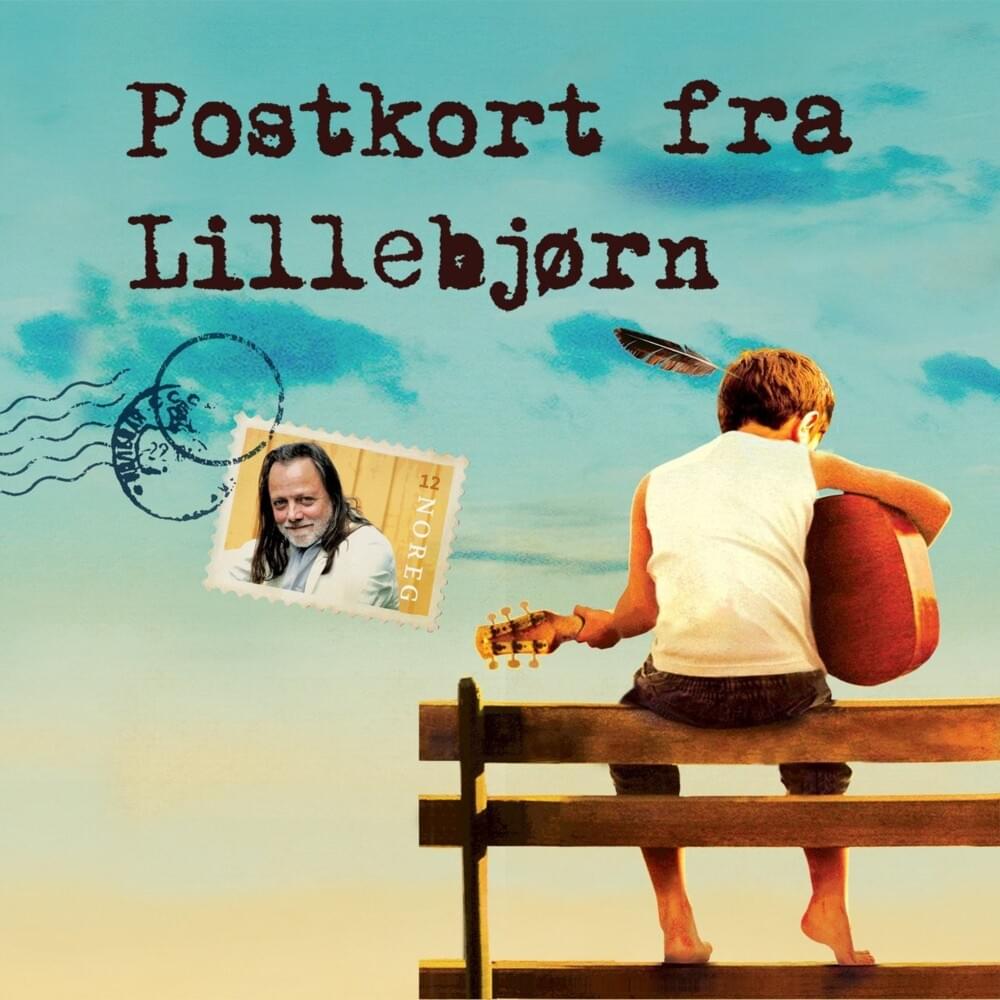
 View Artist