Song Meaning
The lyrics paint a vivid picture of a sudden, almost surreal moment of romantic confession. The opening lines immediately establish an epic, almost cinematic atmosphere, with Beethoven's Ninth Symphony swelling and the sun making a dramatic leap. This grand, external spectacle mirrors the internal shift happening as a neon light blinks twice, a seemingly coded signal before the pivotal declaration: "Jeg tror jeg elsker deg." The scene is set in a pedestrian street, a "gågata," which transforms into a "sølvbeslått vei" – a silver-plated road – suggesting the ordinary has become extraordinary.
The central tension arises from the narrator's overwhelmed reaction to the confession. While the external world erupts with dramatic flair, the narrator's internal response is one of stunned silence and a desire to flee, likening themselves to a "liten kanin" (small rabbit) frozen by the headlights. The phrase "Jeg hørt 'ikke riktig hva du sa til meg" (I didn't really hear what you said to me) highlights the sheer shock, yet the repeated phrase "Men du sa: jeg tror jeg elsker deg..." underscores the undeniable impact of the words, even if not fully processed.
A striking piece of craft is the juxtaposition of the mundane and the magnificent. A "sønnavind" (south wind) melts away snow, a natural, gentle process, while an "utstillingsdokka" (mannequin) in a window laughs, an inanimate object imbued with a strange, almost mocking life. This surreal imagery amplifies the feeling that reality itself is bending around this pivotal moment. The narrator's internal conflict is further emphasized by the abrupt, almost societal pressure of "Gutter skal engang bli menn!" (Boys will one day become men!), suggesting a forced maturation or acceptance of adult emotions.
Ultimately, the lyrics resonate because they capture the disorienting, overwhelming nature of profound emotional revelation. The external world's dramatic amplification of the moment, contrasted with the narrator's internal paralysis and the almost absurd imagery, creates a powerful sense of being caught off guard. The repeated confession, despite the narrator's inability to fully process it, acts as an anchor, solidifying the significance of the event and the dawning realization that this is a moment of irreversible change.
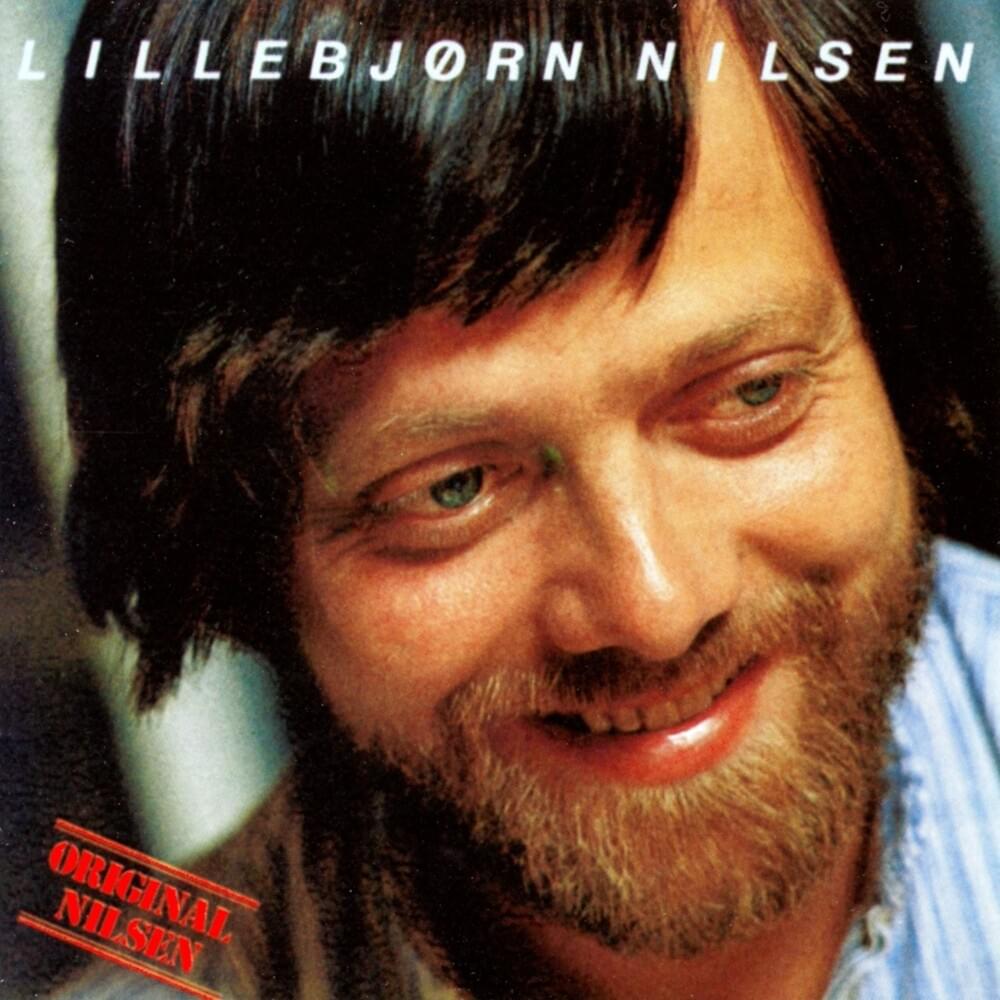
 View Artist