Song Meaning
The lyrics for "Baby" paint a vivid picture of a young life in active, almost primal, development. This "Baby" is not passive; she's "squirming toward grace" and "leaping toward faith." There's a powerful sense of self-determination as she "chose her fate." Yet, a stark paradox immediately enters the frame.
This tension crystallizes in the repeated refrain: "No one... save her / But one enslaves her." The initial stanza suggests a specific, singular force holding her back, even as she actively improves and dreams. It creates a sense of a powerful external constraint against her burgeoning agency. This "Baby" is grateful for her life, even owing "the angels for their lullaby," hinting at a foundational debt or gift that might also imply a subtle form of obligation.
The true genius of these lyrics lies in the subtle yet profound shift in the second stanza's closing lines. While "No one can save her" remains, the critical change from "one enslaves her" to "no one enslaves her" reorients everything. This isn't just a repetition; it's a crucial pivot. It suggests the external oppressor has vanished, or perhaps never truly existed in the way first implied.
This lyrical twist leaves the reader with a powerful, unsettling ambiguity. The "Baby" is still without a savior, but now also free from a clear enslaver. It forces a re-evaluation: is her "fate" truly chosen, or is her freedom simply a different kind of isolation? The lyrics effectively use this evolving paradox to explore the complex interplay between individual agency, external forces, and the nuanced nature of freedom itself.
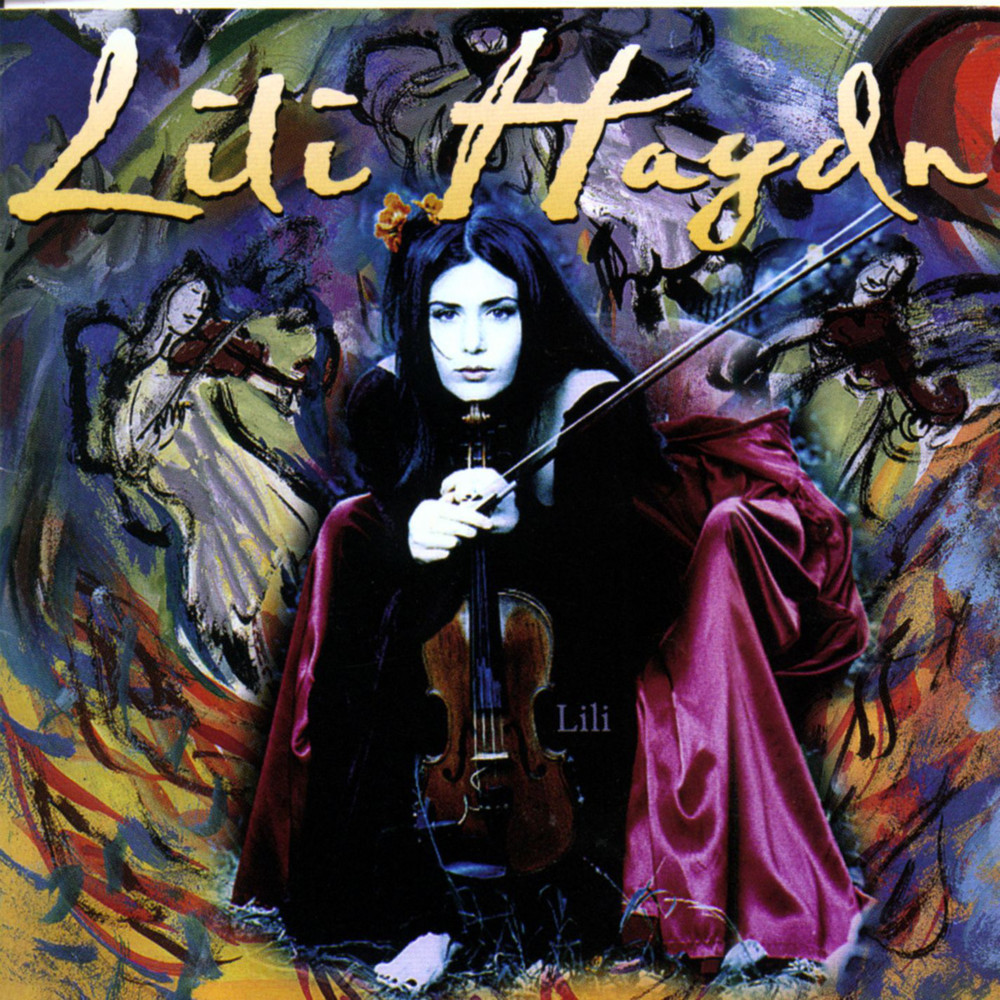
 View Artist