Song Meaning
The lyrics paint a stark picture of life on the "edge of the world," specifically referencing the maquiladora, a factory worker, who toils amidst "waste on the earth." This setting is where "the son of the sun was born," a mulatto child, swaddled by a healer with "rags and herbs." The imagery immediately grounds us in a place of hardship and traditional remedies, suggesting a life lived on the fringes of prosperity.
The narrator expresses awe at "what the TLC provoked," linking the child's existence to the "imaginary line" of trade agreements. This suggests a profound irony: the very economic structures that might promise progress have, in this context, seemingly produced a child born into difficult circumstances. The phrase "chivi chivi colo" adds a layer of vernacular, perhaps hinting at a mixed heritage or a specific cultural identity tied to this border region.
A child with "moon eyes" then delivers a profound, almost spiritual message: "This material world / is only temporary." This stark contrast between the harsh material reality of the maquiladora and the child's ephemeral wisdom is striking. The subsequent lines invoke "cornflower," "plain of fire," and "the earth that bore you," weaving together natural elements with spiritual forces – "spirit of the earth," "spirit of evil," "spirit of luck" – all of which "has to walk."
This juxtaposition of economic exploitation and spiritual resilience is what makes these lyrics resonate. The writing crafts a narrative where a child, born from hardship and economic policy, carries a wisdom that transcends the material struggles. The poem suggests that even in places defined by waste and imaginary lines, life and a deeper, perhaps spiritual, truth persist and must continue their journey.
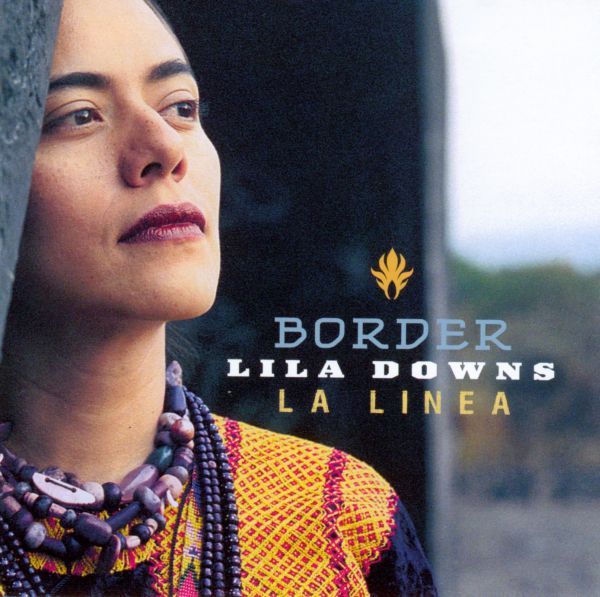
 View Artist