Song Meaning
The lyrics paint a stark picture of a final, almost ritualistic parting over a shared bottle. The narrator invites someone to drink with them, framing the act as a definitive end: "En el último trago nos vamos" (In the last drink, we leave). There's a raw, almost defiant curiosity about experiencing the taste of "olvido" (forgetting) without the comfort of the other person's presence, suggesting a desire to face the pain head-on. This isn't a plea for reconciliation, but a grim acceptance of an inevitable departure.
The central tension lies in the narrator's struggle with self-awareness and recurring patterns of heartbreak. The lines "Nada me han enseñado los años / Siempre caigo en los mismos errores" (The years have taught me nothing / I always fall into the same mistakes) reveal a deep-seated frustration with their inability to break free from a cycle of emotional pain. This self-recrimination is amplified by the act of "brindar con extraños" (toasting with strangers) and "llorar por los mismos dolores" (crying over the same pains), highlighting a sense of isolation and a repeated, futile attempt to find solace.
The most striking aspect is the complex emotional layering within the act of drinking together. While the initial invitation is about "olvido," the second stanza shifts to a request for a final kiss: "Y en el último trago me besas" (And in the last drink, you kiss me). This adds a layer of bittersweet intimacy to the farewell, a final, perhaps desperate, clinging to connection before the complete separation. The desire for privacy, "Esperamos que no haya testigos / Por si acaso, te diera vergüenza" (We hope there are no witnesses / In case you felt ashamed), hints at a shared, perhaps unspoken, history or a lingering concern for appearances, even in their final moments.
Ultimately, the effectiveness of these lyrics stems from their unflinching portrayal of a painful, yet strangely dignified, ending. The narrator isn't seeking pity but is instead dissecting their own emotional landscape with a sharp, analytical gaze. The repeated motif of the "último trago" acts as a powerful anchor, grounding the complex emotions of regret, resignation, and a flicker of lingering affection in a concrete, shared action. It’s this raw honesty about repeating mistakes and facing oblivion that makes the scene resonate.
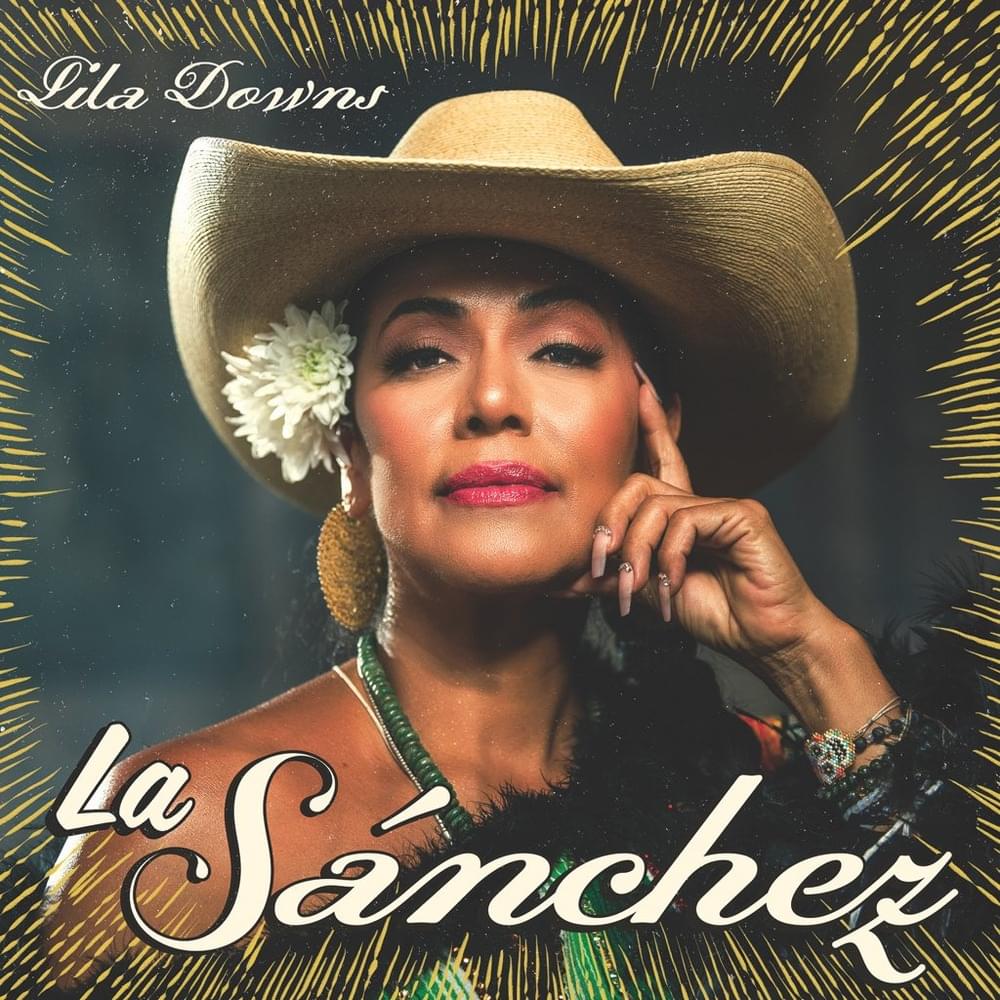
 View Artist