Song Meaning
The lyrics paint a stark picture of self-sabotage and a deep-seated desire for oblivion. The narrator admits to a pattern of unfulfilled promises, using the mundane task of taking out apartment trash as a metaphor for their inability to achieve even basic progress. This inability is framed as a conscious choice, declaring themselves "the enemy of progress" and expressing a wish to simply "be discarded." The initial claim that losing a memory is "cathartic" feels like a desperate attempt to reframe a loss as a positive release, a thin veneer over a more profound emptiness.
The central tension lies in the narrator's active resistance to self-improvement and their embrace of stagnation. They acknowledge their failures but seem to derive a perverse comfort from them, or at least a resignation that borders on acceptance. The repeated refrain, "We're never having fun, the work is never done," amplifies this feeling of Sisyphean struggle and perpetual dissatisfaction. It suggests a cyclical existence where genuine enjoyment is impossible because the necessary effort is either avoided or deemed insurmountable.
The bridge introduces a striking, almost apocalyptic image: "The rain that's burying Manhattan is crystal clear." This juxtaposition of widespread devastation with pristine clarity is unsettling, hinting at a detached observation of chaos or perhaps a subconscious acknowledgment of impending doom. The narrator's imagined punishments are "all severe," which, when paired with the desire to be discarded, suggests a belief that they deserve extreme consequences for their inaction and perceived failures. It’s a grim self-assessment that fuels the wish for an end.
Ultimately, the effectiveness of these lyrics stems from their blunt honesty and the raw, unvarnished portrayal of internal conflict. The narrator isn't seeking redemption or even understanding; they are articulating a profound weariness and a desire to cease existing in their current state. The simple, repetitive structure of the refrain hammers home the inescapable nature of their perceived reality, making the wish to be "discarded" feel like the only logical, albeit bleak, conclusion.
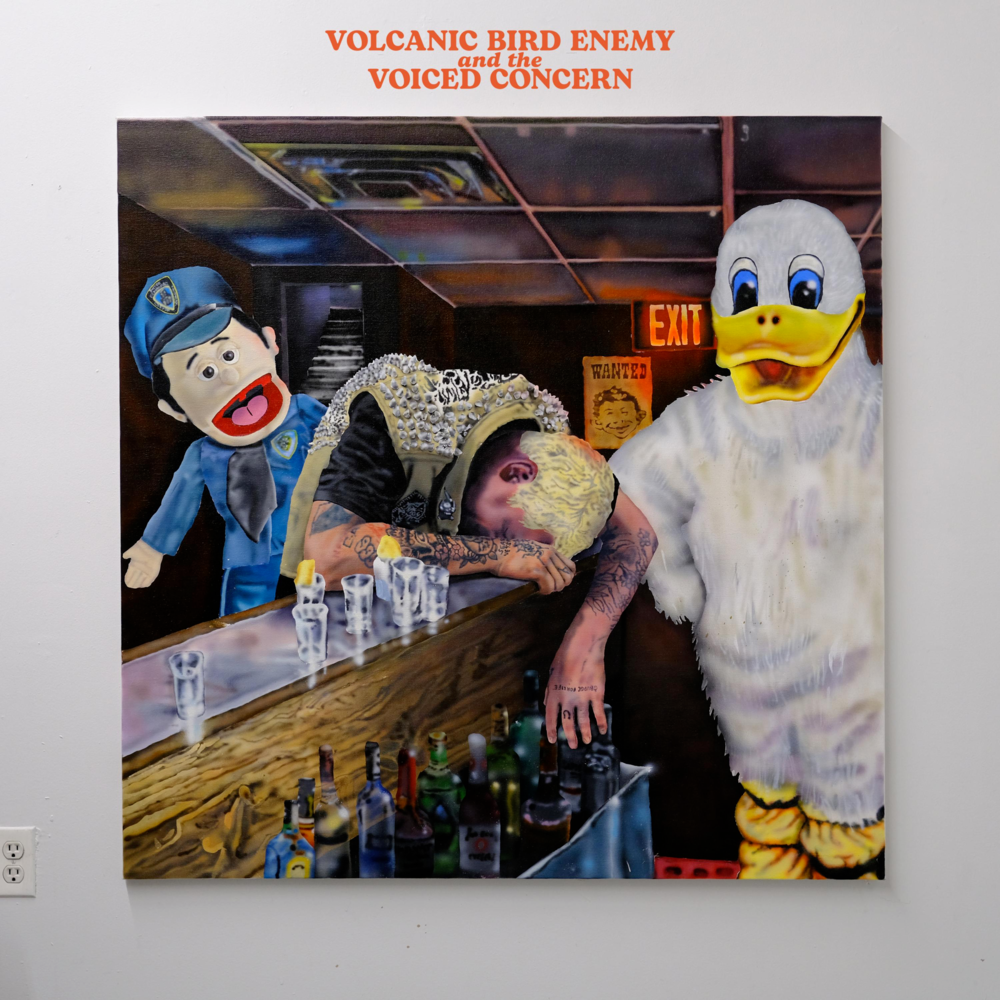
 View Artist