Song Meaning
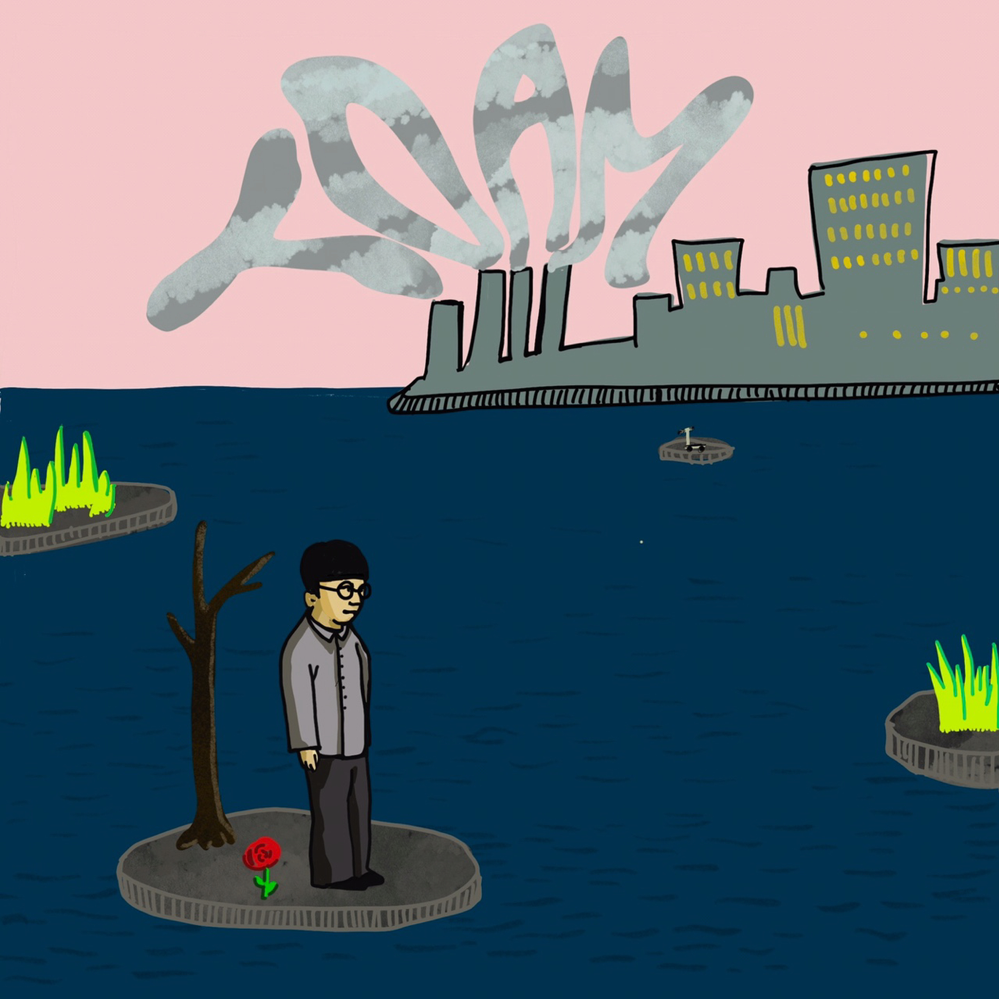
The narrator paints a stark picture of isolation and self-imposed confinement, emerging only for brief, perhaps transactional, bursts of activity. The opening lines establish a sense of being withdrawn, with the outside world and its demands being actively "white[d] out." This deliberate detachment from "fake friends" and a general aversion to social interaction suggests a focus on internal struggles or a singular pursuit, possibly creative or financial, as indicated by "get money season."
The lyrics reveal a deep internal conflict, contrasting outward appearances with inner turmoil. The narrator admits to "dying on the inside" while smiling, and acknowledges a reluctance to engage with external validation or criticism, as seen in the unread "texts." The Korean phrases hint at a feeling of being misunderstood or dismissed, with the narrator anticipating indifference even when they do engage, suggesting a profound sense of alienation.
A key tension lies in the narrator's self-perception versus external judgment. They grapple with "pressure semi depression" and seek answers, yet also project an "elite" flow and a sense of self-worth tied to their singular narrative, "the one about me." This focus on their own story, even acknowledging their own brokenness to their mother, becomes their sole tangible possession and defiant assertion in the face of perceived external pressures and superficiality.
This raw portrayal of internal struggle and guarded self-expression makes the lyrics resonate. The juxtaposition of isolation with a fierce, albeit fragile, sense of self-identity creates a compelling emotional landscape. The narrator's insistence on their own narrative, even when admitting to being "fucked up," highlights a desperate need for authenticity and recognition on their own terms, making "the one about me" a powerful, albeit lonely, anthem.
 View Artist