Song Meaning
The lyrics paint a picture of a creative endeavor, perhaps musical or artistic, that starts with vibrant energy but quickly falters. The opening lines, "Crack open the good times / On a street corner busting rhymes," establish a scene of spontaneous, communal expression. However, this initial spark is extinguished as someone "fell between the lines," suggesting a loss of connection or a failure to be understood. The subsequent lines, "They all laugh, become a joke," reveal a shift from shared excitement to public ridicule, leaving the narrator questioning their own sanity and clinging to a desperate hope.
The central tension arises from the stark contrast between the initial promise of "good times" and the harsh reality of failure and mockery. The narrator offers "sweet sugar," a metaphor for their creative output or perhaps their genuine effort, but it's ultimately insufficient, leading to the repeated, almost desperate plea, "Tell me what it's worth." This refrain underscores a profound uncertainty about the value of their work and their place within the creative community.
A striking element is the jarring shift in tone and imagery in the second verse. The narrator adopts a provocative, almost nihilistic stance, referencing a morbid observation about skin color and death, then immediately declaring, "I've just turned bright red." This intense, visceral reaction seems to be a response to perceived criticism or a feeling of being ostracized, possibly linked to the line, "Or the fact that your race is full of shit." The "sweet sugar" is again presented, but now it feels like a hollow offering against this backdrop of anger and despair.
Ultimately, the effectiveness of these lyrics lies in their unflinching portrayal of creative struggle and the emotional toll it takes. The progression from hopeful beginnings to bitter self-doubt and defiant anger, punctuated by the insistent chorus, captures a raw vulnerability. The bridge, with its grim imagery of "clean your blades and keep swinging / Don't stop till the red runs out," suggests a destructive persistence, a commitment to an endeavor even as it drains the narrator of joy, making the final plea for validation all the more poignant.
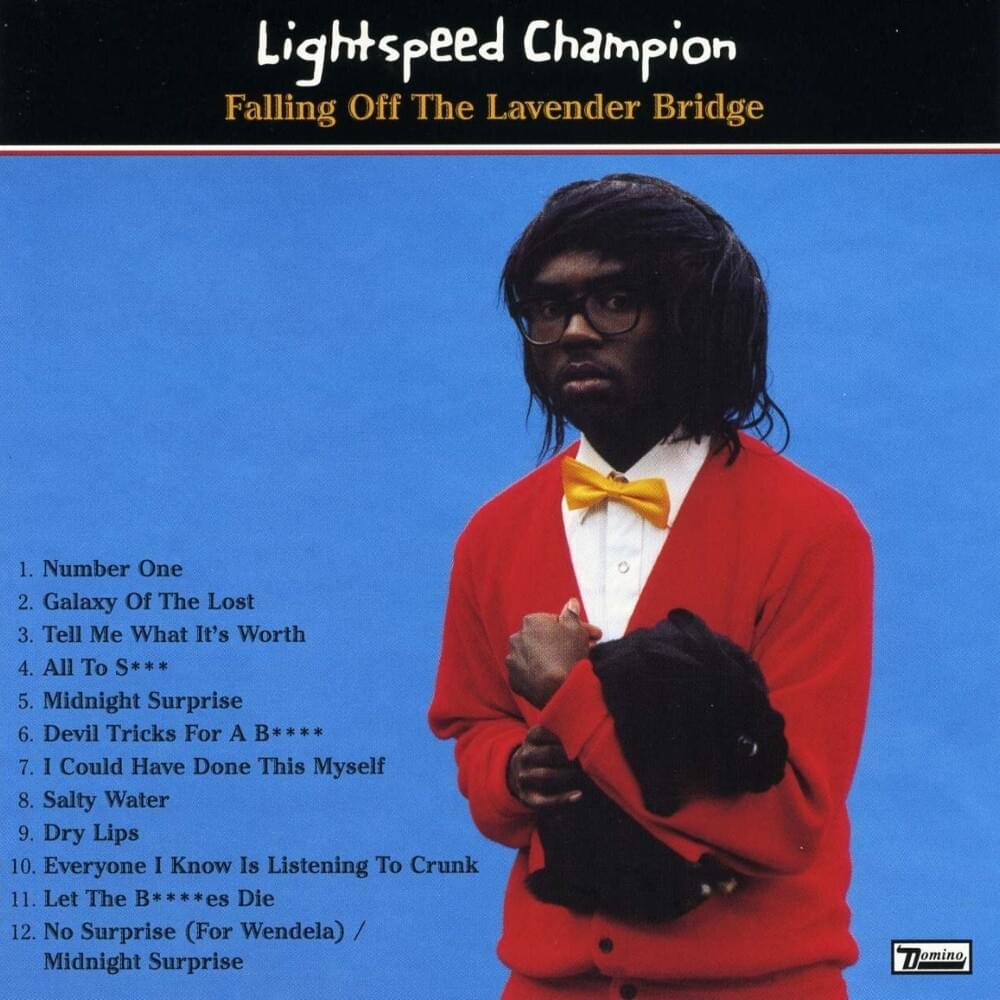
 View Artist