Song Meaning
The narrator is pleading for a second chance, offering a starkly domestic and subservient vision of their future. They promise to be "good," fetching water and chopping wood, essentially performing manual labor to prove their worth. This isn't just about reconciliation; it's a desperate bargain, a willingness to erase past transgressions by becoming an idealized, hardworking partner. The repetition of "take me back" underscores the urgency and the singular focus of this plea.
The core tension lies between the desire for forgiveness and the implied past wrongdoing. The narrator's promises are almost comically earnest, detailing specific chores like cutting wood and hauling water. This focus on menial tasks suggests a deep-seated insecurity, a belief that only through such tangible, selfless acts can they regain favor. The phrase "won't do nothin' you won't like" is a particularly striking admission of their perceived fault, framing their entire future behavior around pleasing the other person.
A fascinating shift occurs in Verse 4, where the domestic promises give way to a more complex, almost allegorical scene. The narrator observes others raising livestock, but declares they will "raise chicken 'til it ain't no use," hinting at an obsessive, perhaps futile, effort. This is immediately followed by the image of lurking "'round the rich man gate," studying and "figuring out a plan" to get "biscuits." This unexpected turn suggests a deeper, more strategic desperation, a desire for sustenance or security that goes beyond simple domestic reconciliation, perhaps even hinting at a more desperate, survivalist mindset.
This lyrical juxtaposition makes the song resonate. The initial, almost childlike pleas for acceptance are grounded by the later, more cunning imagery. It's the contrast between the simple, obedient partner and the resourceful, almost desperate schemer that gives the song its unexpected depth. The effectiveness lies in this portrayal of someone willing to adopt any persona—the dutiful servant or the cunning opportunist—to escape their current predicament and return to a desired state.
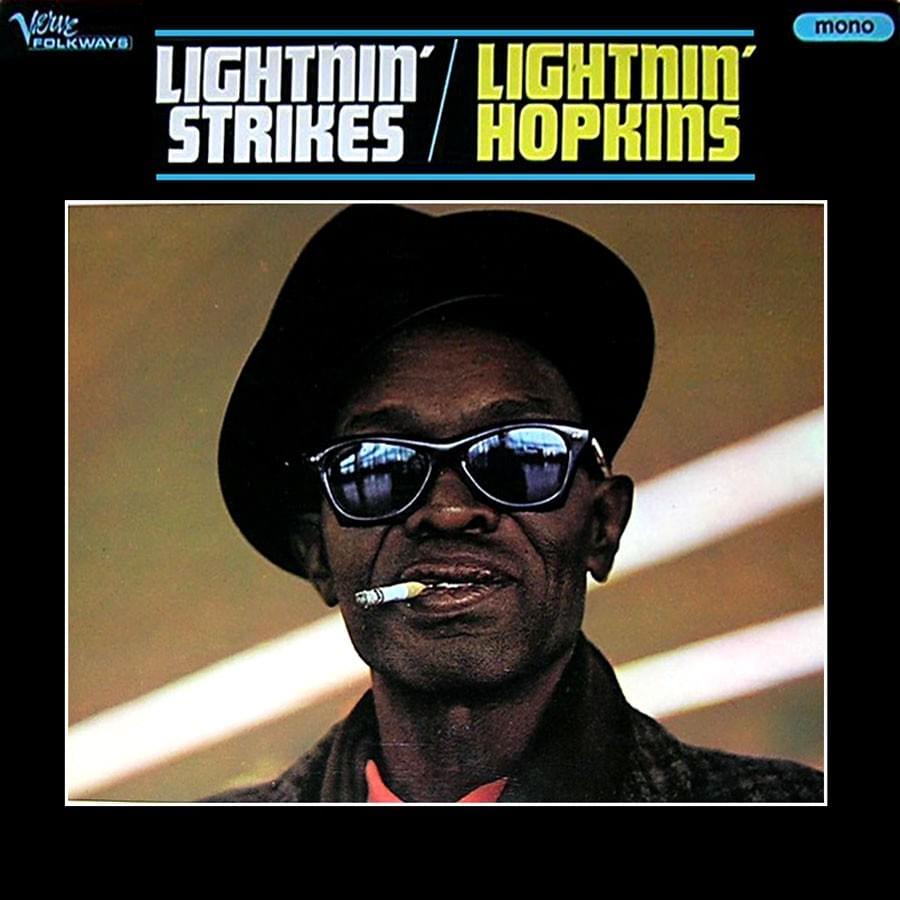
 View Artist