Song Meaning
The lyrics paint a picture of immediate, almost instinctual attraction. The narrator sees someone, doesn't even know their name, but is captivated by their movement. There's a raw, uninhibited energy being described, a pure physical response to seeing someone 'shake that thing.' The repetition of 'come on, baby' and 'shake that thing' hammers home this singular focus.
The central tension lies in the narrator's desire to engage with this captivating energy. It's not about a deep connection or shared history; it's about the present moment and the magnetic pull of the dance. The narrator seems to be both observing and inviting, urging the object of their attention to continue and perhaps even share that energy. The phrase 'I ain't to blame' suggests a surrender to this impulse, a recognition that the attraction is powerful and perhaps beyond rational control.
The most striking element is the almost primal simplicity of the language. The focus is entirely on the physical act of 'shakin' that thing,' stripped of any complex emotional narrative. Even the mention of 'Saint Jame' and 'Turner' feels less like specific references and more like evocative sounds or images that fit the rhythm and the mood, adding a touch of mystique without grounding the scene too firmly. The 'different in the name' line hints at a complexity beneath the surface, but it's quickly subsumed by the insistent call to 'shake that thing.'
This directness is precisely what makes the lyrics hit hard. They capture a universal feeling of being drawn to someone's kinetic energy, the simple, undeniable power of movement and rhythm. The insistent, almost chant-like chorus bypasses intellectualization and goes straight for a visceral, rhythmic response, mirroring the very act it describes.
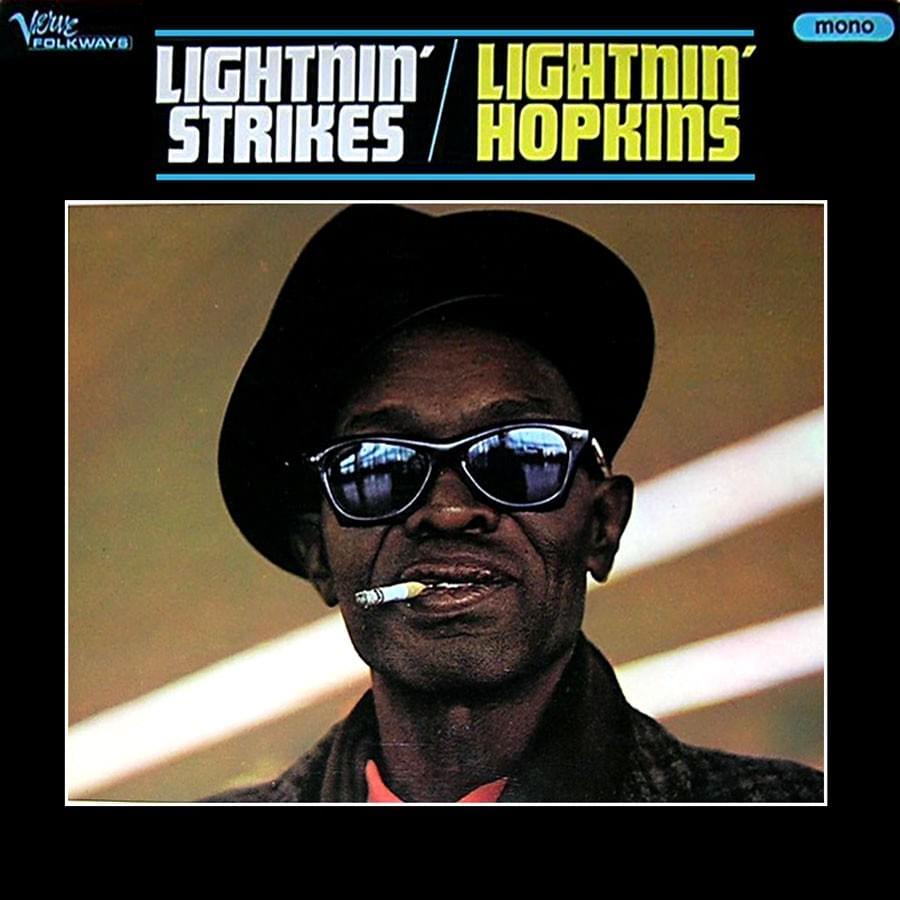
 View Artist