Song Meaning
The narrator paints a stark picture of labor and desperation, immediately distancing himself from any sweet or easy work. He explicitly states, "I don't work in no candy kitchen," and "don't stay on no chewin' gum," establishing a contrast with idealized or pleasant employment. This sets up a narrative of hard, itinerant labor, as he explains his current situation: "'til I know how to grab no pick and shovel and roll from town to town."
The dominant emotional tone is one of weariness and resignation, underscored by the bleak imagery of waking up to rain and having to travel "way over 'cross town" for another job. This cyclical, unappealing work seems to be the only option available. The repetition of "I woke up this morning, saw the rain fallin' on the ground" emphasizes the monotonous and disheartening nature of his daily existence.
A striking element is the narrator's self-assessment: "You I done threw myself away." This isn't just about hard labor; it's about a perceived lack of agency or a sense of having squandered his potential. The line "'cause I don't have to work on the W.P.A" is particularly telling, suggesting that even government relief programs are not an option or are somehow less desirable than his current, seemingly dire, circumstances.
This lyrical construction is effective because it grounds profound dissatisfaction in concrete, unglamorous details. The contrast between the "candy kitchen" and the "pick and shovel" work, coupled with the resigned observation of the rain, creates a palpable sense of struggle. The narrator's feeling of having "threw myself away" resonates as a deeply personal consequence of economic hardship, making the listener feel the weight of his situation.
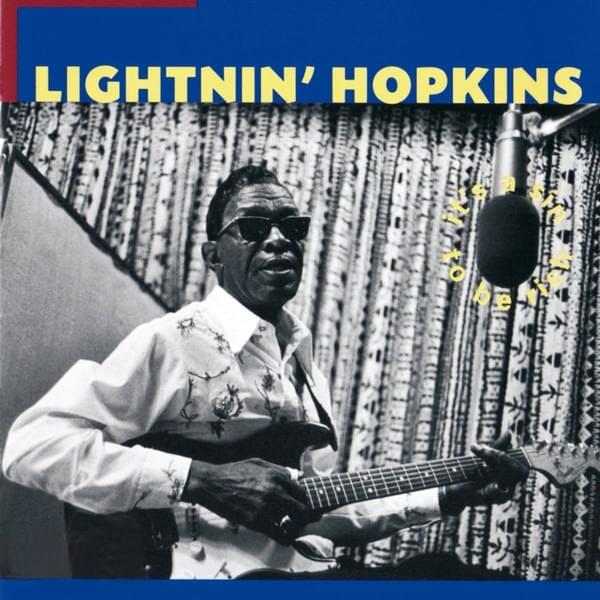
 View Artist