Song Meaning
The lyrics paint a picture of deliberate disengagement from a relentless, overwhelming world. The narrator has intentionally parked and walked away, embracing a state of not knowing their location or how long they've been gone. This intentional vagueness is juxtaposed with the immediate sensory details of a "good perfume," "silence," and "water going away," establishing a peaceful, almost meditative present moment. The core sentiment is a desire to opt out of the "merry-go-round that never stops," a powerful metaphor for the constant demands and pressures of modern life. The narrator explicitly states they'd rather "leave this ride to you all," highlighting a conscious choice to step aside and find contentment in stillness.
The central tension arises from this contrast between the narrator's chosen inertia and the implied motion and obligation of everyone else. The "ride" is something the narrator holds a "ticket" for, suggesting they are meant to be participating, yet they actively reject it. This rejection isn't born of apathy but of a profound need for respite, finding solace "here, sitting by the ditch." The introduction of another character, who also arrives having walked and is uncertain, suggests a shared experience or an invitation to join this state of peaceful detachment. This second figure is also "far from you all" and "far from a mirror that doesn't say who you are," hinting at a liberation from self-definition and external judgment.
The most striking craft element is the recurring phrase "Seduto in riva al fosso" (Sitting by the ditch), which transforms from a simple description of location into an anthem of chosen isolation and peace. This image of being by a ditch, often seen as a mundane or overlooked place, becomes a sanctuary. The lyrics cleverly shift perspective, first from the narrator's "I" to a shared "we" ("Stiamo bene qui" - We are fine here), and then to a detached observation of others who have arrived with "guides" and "picnics," complete with "TVs, cell phones." These newcomers, despite their elaborate setup, are also described as being "far from who? / Far from what? / Far by hearsay / Without a why," suggesting their movement is as aimless as the narrator's initial wandering, but without the same peace. The narrator's final address to them, "You are fine there / Sitting by the ditch," is a subtle, almost ironic observation, implying they too might find peace there, but their current mode of being is fundamentally different.
What makes these lyrics so effective is their quiet subversion of societal expectations. Instead of striving for more, the narrator finds profound satisfaction in having less, in being still. The imagery of the ditch as a refuge, the gentle repetition of the core phrase, and the contrast with the frantic, unexamined movement of others create a powerful emotional resonance. It speaks to a deep-seated desire to escape the noise and find a simple, authentic sense of well-being, grounded not in achievement or belonging, but in the quiet act of simply being present, away from the ceaseless carousel of life.
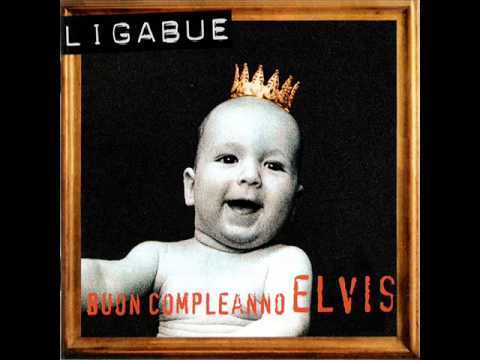
 View Artist