Song Meaning
This track paints a vivid picture of an internal struggle, personifying the source of conflict as an external antagonist. The narrator is locked in a relentless battle with something that feels both familiar and inescapable, stating, "Ce l'ha con me ce l'ho con me" (It’s mad at me, I’m mad at me). This isn't a fight against an outside force, but a self-inflicted war, fueled by the narrator's own actions: "Sono io che gli do corda" (I’m the one who gives it slack/encouragement). The antagonist is described as unyielding, "Sembra duro come il ferro" (Seems hard as iron), and perpetually present, "Non ha pietà è sempre qua" (Has no pity, is always here).
The core tension lies in this self-confrontation, where the narrator identifies with the very thing causing them distress. The repeated refrain, "Quello che mi fa la guerra" (The one that makes war on me), is directly linked to personal elements: "A quella faccia che ho" (At that face I have), "Quello che scarpe in cui sto" (The shoes I’m in), and "Quello specchio che ho" (The mirror I have). This suggests the conflict stems from self-perception and the narrator's own circumstances, not an external enemy. The lyrics hint at a deep-seated issue, possibly related to responsibility or self-sabotage, as seen in the recurring line about unpaid rent: "Quello che l'affitto non me l'ha pagato mai" (The one who never paid my rent).
The most striking aspect of the writing is how it externalizes an internal state, giving a tangible form to self-doubt or ingrained negative patterns. The antagonist "Sta qui con me" (Stays here with me) and refuses to leave, even exhibiting a strange "nostalgia / Di quando dava più battaglia" (nostalgia / For when it fought harder). This personification of a persistent inner critic or a destructive habit is incredibly effective, making the abstract feeling of being at war with oneself concrete and relatable. The narrator acknowledges the antagonist's awareness of the situation, noting, "La verità che so che la sa da sempre pure lui" (The truth that I know, he’s always known it too).
Ultimately, the song resonates because it articulates the exhausting, cyclical nature of internal conflict. The relentless repetition of "Quello che mi fa la guerra" hammers home the feeling of being trapped. By grounding the struggle in personal objects and self-reflection—the face, the shoes, the mirror—the lyrics create a powerful sense of inescapable self-awareness. It’s the raw honesty of admitting that the biggest fight is often the one waged within, and that the enemy is, in many ways, oneself.
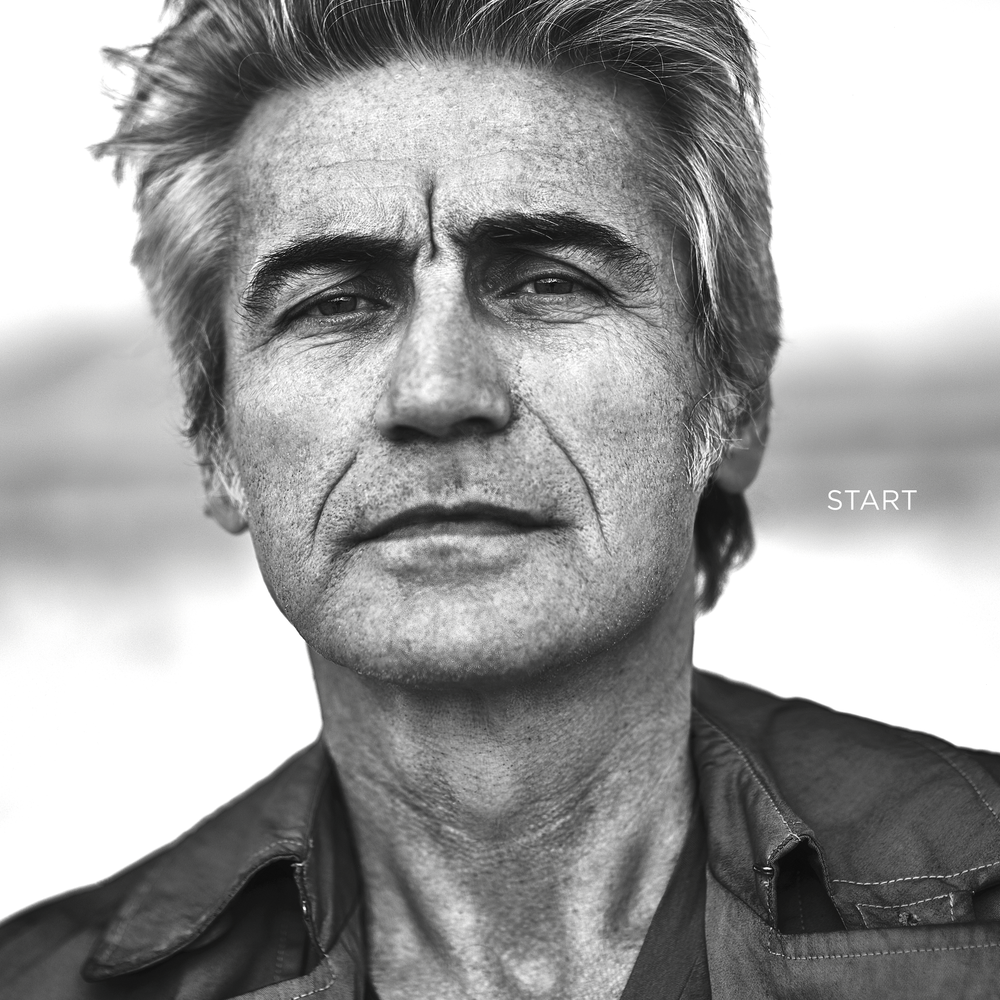
 View Artist