Song Meaning
The lyrics open with a striking contrast: "I keep on laughing and you're keeping track." This immediate tension suggests a performative lightness from the speaker, masking a deeper emotional ledger the listener seems to hold. The narrative quickly dives into a memory, pinpointing a specific, almost sacred place where the speaker first realized an enduring commitment.
This commitment, "I'd wait for you always," is rooted in a gritty, industrial landscape of "streets and in doorways where engines they die near the northeastern line." It's a setting that feels both specific and slightly bleak, underscoring the weight of this waiting. The central emotional conflict emerges with the speaker's regret over a "missed that night," acknowledging it "could have been the best time but it's just timing." This simple phrase captures the profound frustration of a deep connection thwarted by circumstance.
The craft here is particularly effective in its abrupt shifts. The vivid imagery of decaying engines near a geographical boundary suggests a place of endings and stagnation, mirroring the missed opportunity. Then, the lyrics pivot sharply, almost dismissively, with the line, "if it's smiles you want talk to the kid with the boy eyes and wake up dreaming next to him." This sudden, almost sarcastic address implies the listener seeks an idealized, uncomplicated love that the speaker, with their history of waiting and missed chances, cannot provide.
Ultimately, these lyrics hit hard because they articulate the painful reality of profound connection undone by the mundane force of "timing." The speaker's blend of lingering devotion, deep regret, and a final, cutting resignation creates a powerful sense of unresolved longing. It's a testament to how specific details and a sharp emotional turn can make a story of missed chances feel both deeply personal and universally resonant.
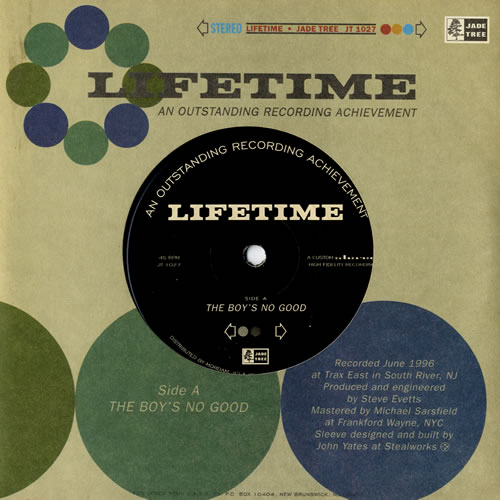
 View Artist