Song Meaning
The lyrics to "Lacrymosa" immediately plunge into a profound plea, blending Latin invocations like "Salva Me" (save me) with declarations of deep reliance. It paints a picture of a speaker in distress, seeking solace and guidance. The tone is reverent and desperate, centered entirely on an all-encompassing "You." This creates an immediate sense of urgency and devotion.
At its core, the piece navigates the tension between profound sorrow and the unwavering presence of a guiding force. Phrases like "Dolorosa" (sorrowful) and "hold me in any sorrow" establish the speaker's vulnerability and pain. This is contrasted with the "You" who is consistently portrayed as a source of light, voice, and comfort, actively dispelling "shadow" and "dark." The emotional conflict is clear: suffering met by an ultimate rescuer.
The most striking craft element is the interwoven repetition of both ancient Latin and modern English affirmations. The Latin phrases – "Lacrymosa," "Voca Me," "Libera," "Salva Me" – act as a ritualistic anchor, lending a timeless, almost sacred weight to the speaker's plight. This is powerfully mirrored by the litany of "You are the..." statements, which build an identity for this saving entity through a series of essential roles: "voice that calls," "light that shines," "words of the song," "music that plays," and ultimately, "the day." This dual linguistic approach deepens the spiritual resonance.
This dual-language structure and relentless affirmation create an incredibly potent emotional impact. By not explicitly naming the "You," the lyrics allow for a deeply personal interpretation, whether it's a divine presence, a beloved person, or an internal strength. The consistent imagery of sound and light emerging from silence and darkness, especially in lines like "voice that calls in the silence" and "light that shines in the dark," offers a powerful, universal message of hope and rescue, making the listener feel the profound comfort and security the speaker finds.
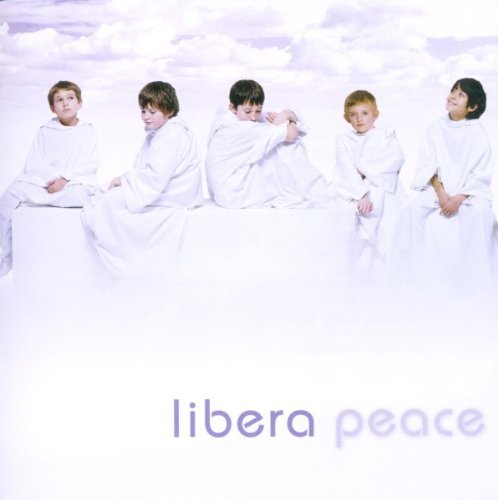
 View Artist