Song Meaning
The lyrics paint a stark picture of a young man facing execution, his vibrant past a cruel contrast to his present despair. The opening lines immediately establish a tone of fatalistic resignation, with the narrator lamenting his "hard fortune" and the "strong rope of death" that awaits him. His physical decline is evident in his "sunk and sallow" cheeks, a visual testament to his suffering within the "gaol of Clûn Malla."
The central tension arises from the stark dichotomy between the narrator's former self and his current predicament. He recalls a youth characterized by gentleness and boundless energy, a boy who "could play with a child" and danced "from morning til evening." This idyllic past, filled with the simple joys of village life like playing hurling and dancing, is now irrevocably lost, replaced by the grim reality of his imprisonment and impending doom.
The craft here hinges on poignant imagery and the deliberate juxtaposition of past and present. The narrator's neglected hurley and the unplayed goal ball represent the cessation of his active, youthful pursuits. He contrasts the vibrant scene of the upcoming village pattern, with its active young hurlers and dancing maidens, with his own fate: his "heart / Once so gay / Will be cold in Clûn Malla." This direct comparison amplifies the tragedy, highlighting everything he is being denied.
This lyrical construction is effective because it grounds the abstract concept of despair in concrete, relatable images of lost youth and community. The specificity of the village activities and the physical descriptions of his decline make his fate feel intensely personal and tragic. The recurring mention of "Clûn Malla" serves as a constant reminder of the inescapable prison that has become his final resting place, amplifying the sense of irreversible loss.
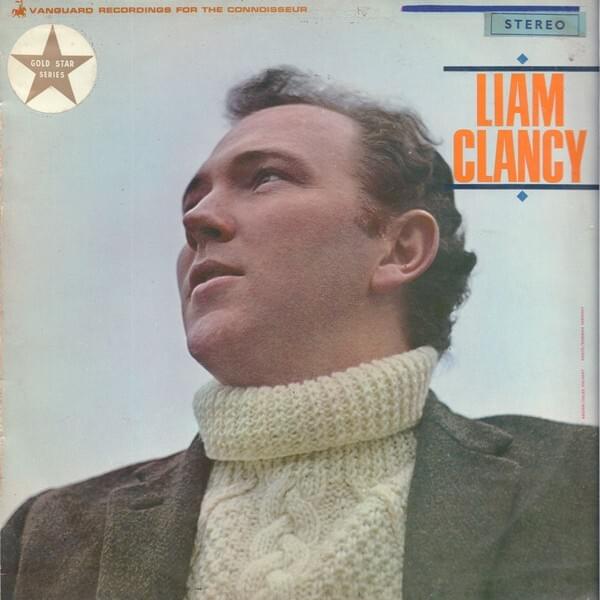
 View Artist