Song Meaning
Lhasa de Sela's "1001 Nights" isn't just a song; it's an incantation, a self-authored myth promising liberation through endurance. The lyrics, spare yet potent, paint a picture of hope forged in the crucible of repetition. The central motif—"a thousand and one nights of this"—immediately evokes Scheherazade, the legendary storyteller who spun tales nightly to delay her execution. Like Scheherazade, the speaker in Lhasa's song seems to be buying time, enduring a present reality in anticipation of a future transformation. The phrase suggests a commitment to a process, a ritualistic performance of hope against a backdrop of perceived imprisonment. The 'prison' here isn't necessarily literal; it could represent emotional stagnation, creative blockage, or a restrictive societal role. The darkness that will 'come undone' hints at a psychological burden, a shadow self that needs to be confronted and ultimately dissolved. The song's power lies in its ambiguity: it doesn't specify the nature of the prison or the catalyst for change, allowing listeners to project their own struggles and aspirations onto its framework.
But "1001 Nights" offers more than just stoic perseverance. The lyrics also introduce elements of hidden potential and nascent growth: "A garden growing underground, a treasure waiting to be found, a bird that never makes a sound." These images suggest that the seeds of freedom are already present, germinating beneath the surface of the speaker's constrained existence. The silent bird, in particular, is a compelling symbol of untapped potential, a voice waiting to be unleashed. This subtle inclusion of nascent potential transforms the song from a simple tale of endurance into a more complex narrative of self-discovery and the quiet, persistent work of inner transformation. It speaks to the belief that even in the darkest of times, the capacity for growth and liberation remains dormant, waiting for the right moment to emerge.
Ultimately, the song meaning of "1001 Nights" resides in its faith in the transformative power of time and unwavering belief. The lines "You don't have to believe it, but just you wait and see" serve as both a personal mantra and an invitation to the listener. It acknowledges the inherent uncertainty of the journey while simultaneously asserting the inevitability of change. The song becomes a testament to the resilience of the human spirit, a reminder that even within the confines of our self-imposed or externally enforced 'prisons,' the potential for liberation—for finding that hidden garden and hearing the song of the silent bird—always exists. The enduring appeal of Lhasa de Sela's music lies in its capacity to tap into these universal longings for freedom and self-realization.
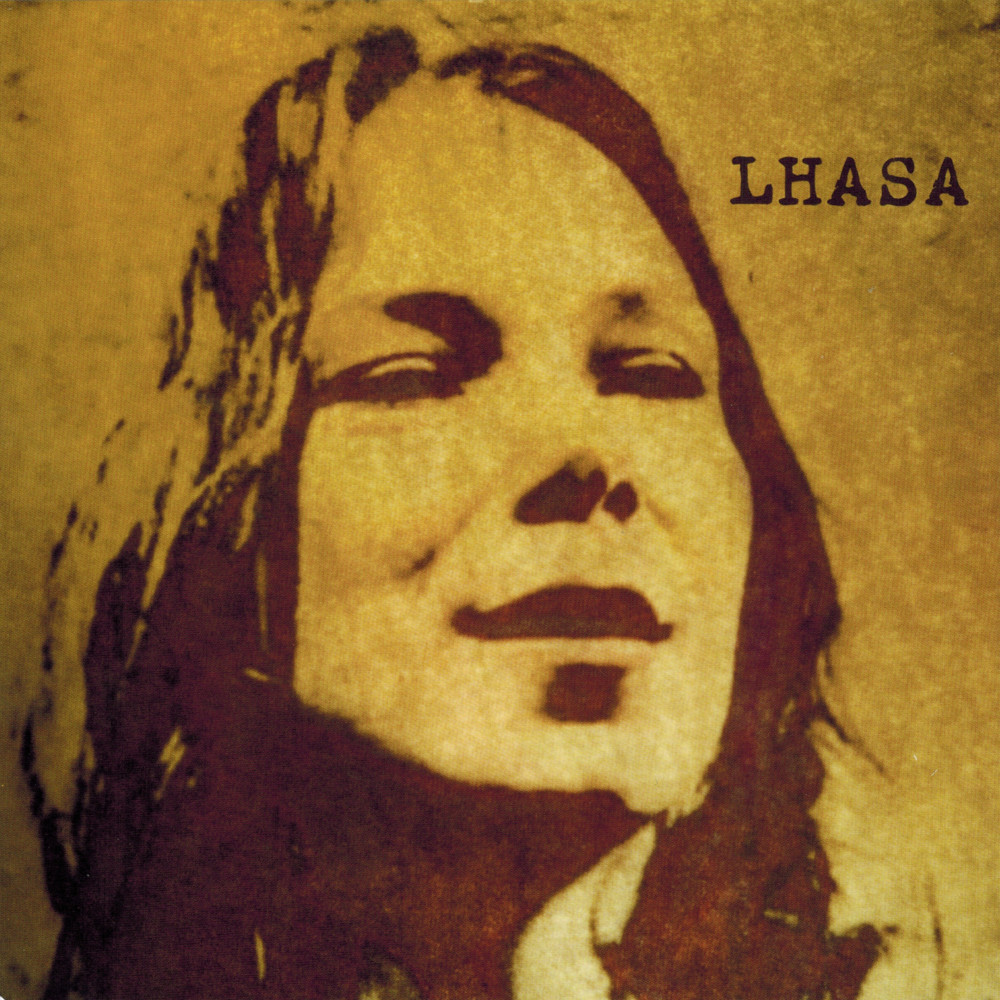
 View Artist