Song Meaning
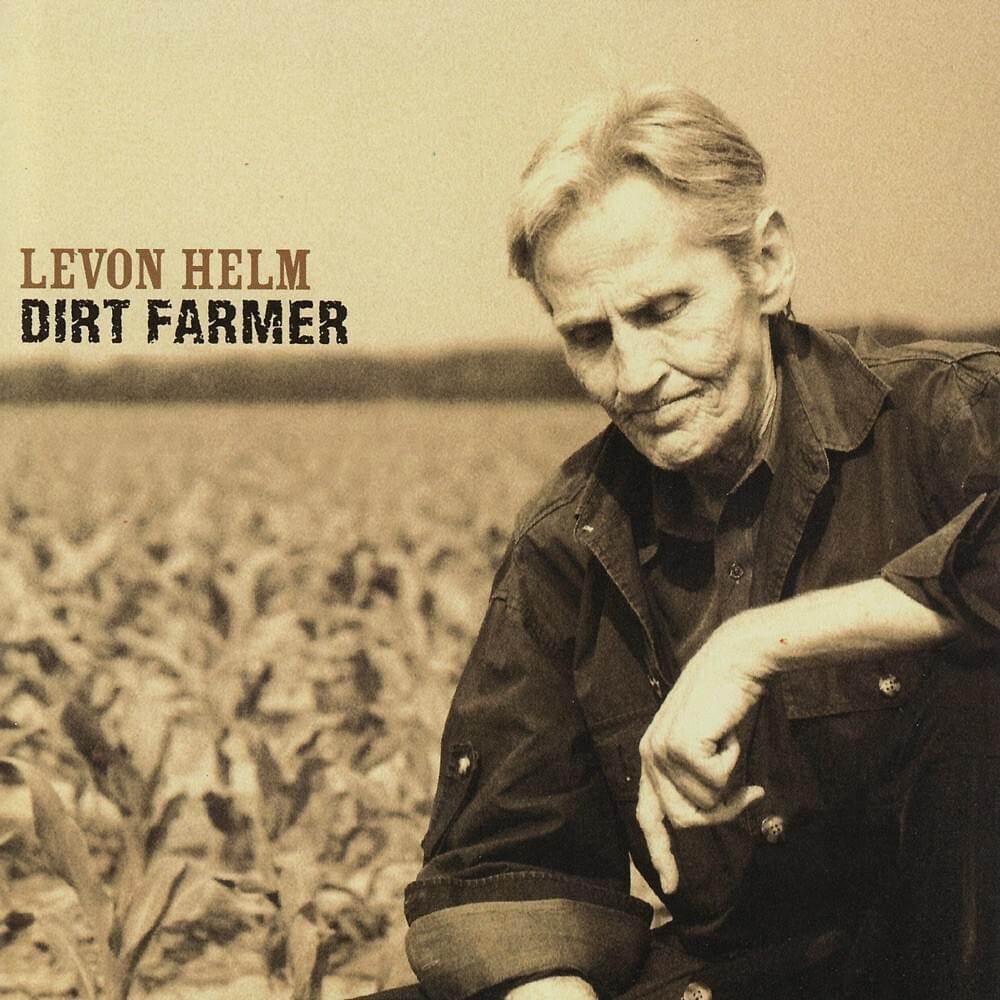
Levon Helm's rendition of "Poor Old Dirt Farmer" is less a song and more a stark, weathered portrait of agrarian despair. The lyrics, simple and repetitive, paint a picture of unrelenting hardship. This isn't romanticized rural poverty; it's a brutal cycle of loss, debt, and isolation. The farmer's corn is gone, his loan unpaid, and all that's left to cultivate is stone – a crushing metaphor for barrenness and futility. He's not just broke; he's spiritually bankrupt. The stones he rolls to the taxman are a bleak offering, a pathetic attempt to appease a system that's already swallowed him whole.
The emotional core of "Poor Old Dirt Farmer" lies in its depiction of abandonment. His family, the very foundation of his life, has "packed up and gone," leaving him utterly alone. This isn't just economic hardship; it's the disintegration of his entire world. The repetition of "He's left all alone" hammers home the profound sense of isolation. Even nature itself seems to conspire against him, offering only rocks where crops should grow. The song's raw honesty about the psychological toll of poverty is what truly resonates.
The final verse escalates into near-absurdist tragedy. The tractor accident, rendered in blunt detail ("his head, shaped like a tread"), is a grimly ironic twist. Even in near-death, the farmer is denied release. He's trapped, literally and figuratively, under the weight of his circumstances. The closing lines, reiterating his inability to grow corn because he lacks a loan, underscore the Kafkaesque nature of his predicament. "Poor Old Dirt Farmer" isn't just about a farmer's misfortune; it's a broader commentary on systemic failure and the human cost of economic devastation. It's a haunting reminder of those left behind, ground down by forces beyond their control.
 View Artist