Song Meaning
The lyrics paint a picture of a man confined by his environment, the "Kansas City milkman" who sees only a limited scope of the world. He's born into a place where perspectives are restricted, suggesting a sense of inherited limitations. The early morning imagery of a "sleeping city" and a "row of houses" establishes a quiet, perhaps monotonous, existence. Yet, within this stillness, there's a hint of past struggles, recalling a playground where he "learned to fight," hinting at a resilience forged in his limited surroundings.
The central tension arises from the narrator's awareness of a disconnect between what is presented and what is real. He reads "the papers" as his "only access / To the outside world," but this access is tainted. The lyrics suggest a deliberate withholding and manipulation of information, where "talking" becomes "dis-information" that people readily accept as truth. This creates a powerful irony: the milkman, a figure of routine and local delivery, becomes privy to a deeper, more cynical understanding of how information controls perception.
The most striking craft element is the repeated question, "If we put the truth in your hands / Would you really like to know." This isn't a simple inquiry; it's a challenge, laced with suspicion. The narrator seems to imply that the "truth" might be too harsh or inconvenient for most people to handle, especially when contrasted with the comforting lies of "dis-information." The phrase "Kansas city milkman" itself becomes a loaded signifier, representing not just a job, but a state of being – someone who delivers the mundane while observing the profound manipulation of reality.
These lyrics resonate because they tap into a quiet frustration with limited horizons and the pervasive nature of misinformation. The narrator's self-identification as a "common man" who plays a part in a "stage" world, while simultaneously questioning the audience's desire for truth, creates a compelling portrait of disillusionment. It's the subtle, almost weary observation of how easily people can be led, making the milkman's limited world feel paradoxically more aware than the vast, manipulated "outside world."
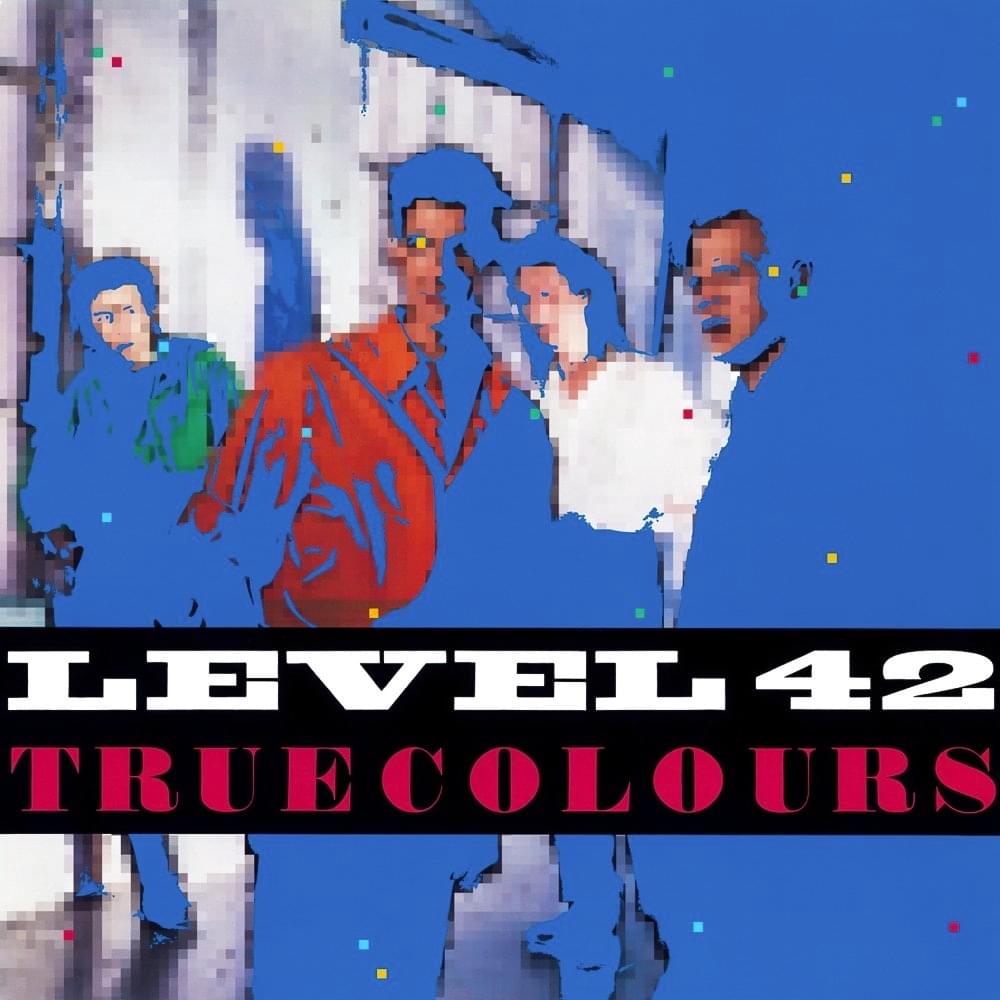
 View Artist