Song Meaning
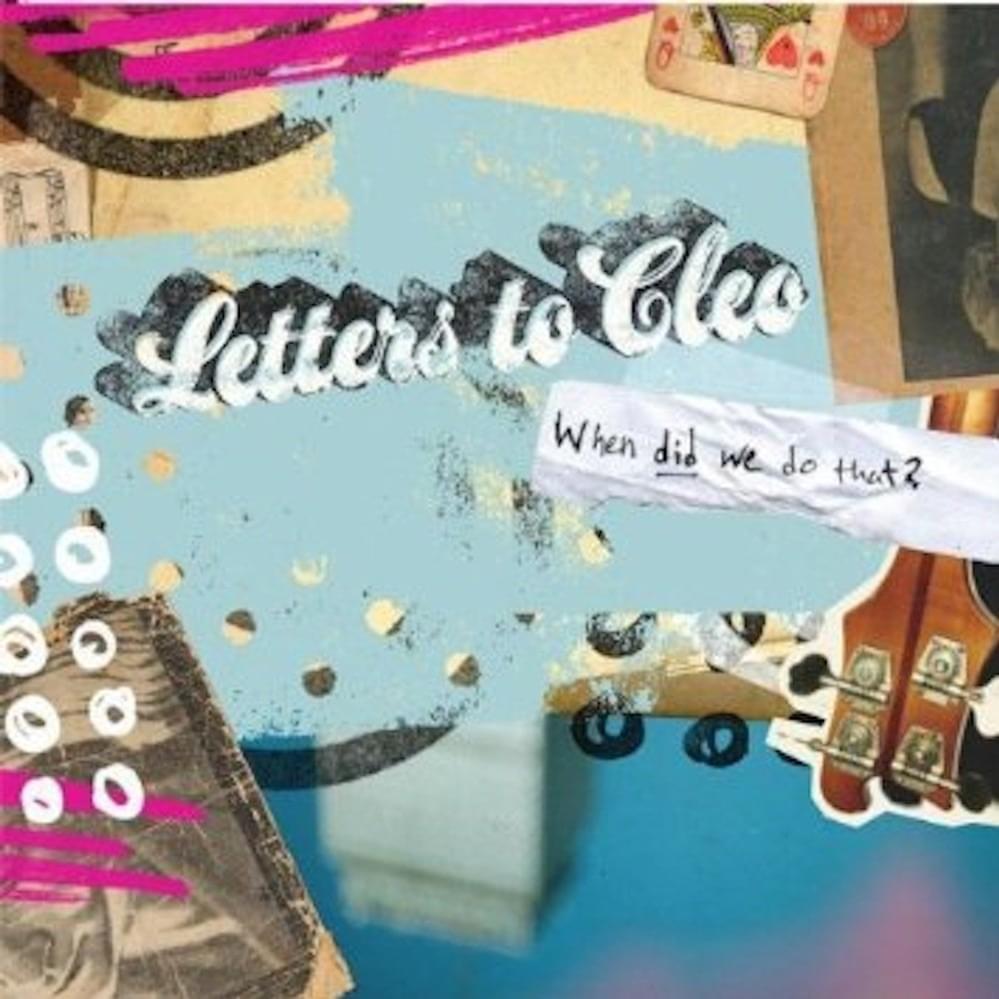
The lyrics paint a picture of profound disillusionment, a feeling of watching life pass by without genuine engagement. The narrator expresses a desire to "close my eyes and wait as the world goes by," tired of seeing "the same old thing." This isn't a celebration of contentment; it's a weary resignation, a sense that even when wishes come true, the satisfaction is fleeting and the purpose behind them is questioned. The repeated phrase "what did I do that for?" underscores this existential ennui.
The central tension lies in the narrator's struggle with the cyclical nature of existence and their own perceived inaction or misguided effort. The world is described as "going in circles," and the narrator anticipates ending up "mad before life is through." There's a self-recrimination in "Guilty old me," suggesting a deep-seated dissatisfaction with their own choices or lack thereof. The drive to "pay my dues and drive real fast to stand in line" and "wrack my brains to find some chaos" highlights a desperate, almost absurd, search for meaning or stimulation in a world that feels predetermined and unfulfilling.
The most striking aspect of the craft is the interplay between thought and inaction, and the resulting confusion. The narrator admits to "Thinking, thinking, thoughtless," a paradox that perfectly captures the paralysis of overthinking. The desire to "Rectify myself to all the things I thought were real" or to "simply stay at home" reveals a deep-seated conflict: the urge to confront reality versus the impulse to retreat. This internal tug-of-war, coupled with the repetitive "I see" that precedes the description of the world's circular motion, amplifies the feeling of being trapped and overwhelmed.
Ultimately, these lyrics resonate because they articulate a specific kind of modern malaise: the feeling of being overwhelmed by choice and information, leading to a sense of inertia and questioning the value of one's own life. The raw, almost blunt, confession of confusion and guilt, grounded in concrete images of mundane effort and internal debate, makes the narrator's struggle feel palpable and deeply human, even amidst the abstract despair.
 View Artist