Song Meaning
This song paints a picture of hopeful anticipation for a future love. The narrator envisions a partner who is "big and strong," a figure of security and presence. The immediate focus is on the simple, almost domestic, actions that will signify this connection: a smile, a shared understanding without words, and the gentle act of taking a hand. It's a quiet, internal yearning for a relationship that feels both destined and deeply personal.
The central tension lies between the certainty of this future love and the uncertainty of its arrival. The narrator "knows we both won't say a word" in a moment of profound connection, yet the timeline is deliberately vague, oscillating between "Sunday" and "not" and "one day." This contrast highlights a patient, almost passive, faith in fate, where the dream itself holds more immediate power than any concrete plan.
The lyrics masterfully build a sense of idealized domesticity. The vision of a "little home / That's meant for two" from which the narrator will "never roam" speaks to a deep desire for belonging and permanence. The rhetorical question, "Who would, would you," emphasizes the perceived perfection and completeness of this imagined future, making the longing for it feel entirely natural and justified within the song's world.
What makes these lyrics resonate is their unadorned sincerity and the gentle, almost childlike, faith they express. The repeated phrase "the man I love" acts as a mantra, reinforcing the singular focus of the narrator's dreams. It’s the quiet certainty of a deeply held wish, presented without pretense, that makes the simple imagery of a shared smile and a held hand so potent.
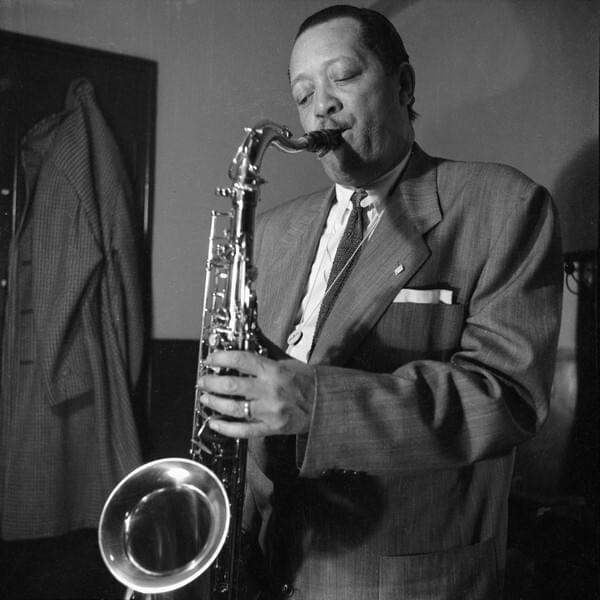
 View Artist