Song Meaning
The lyrics paint a picture of a fast-paced, almost frantic existence, centered around the image of driving and speed. The narrator starts by asserting their status as an "art star" who can "shut down the critics," immediately linking artistic success with material power, specifically a "fast car." This sets up an initial tension between self-aggrandizement and a fear of being "left behind," a phrase that echoes throughout the song. The progression through gears – "First gear, second gear, third gear, it's alright" – suggests a deliberate, albeit perhaps superficial, control over this rapid movement, a way to manage the overwhelming pace.
The song then shifts to acknowledge the appeal of a "pop song," finding it surprisingly affecting, even giving the narrator "chills." This moment of vulnerability contrasts with the earlier bravado, hinting that the narrator's own pursuit of speed and success might be a defense mechanism against a deeper fear of obsolescence or irrelevance, a fear that others, like "God, my friend," might also face. The repeated refrain "it's alright" starts to feel less like genuine reassurance and more like a forced mantra, a way to convince oneself that this relentless forward motion is sustainable and acceptable.
The imagery of "burning rubber" and leaving "pigs in the dust" amplifies the sense of reckless abandon and defiance, a classic rock and roll trope. However, the introduction of specific, almost mundane characters like the "freaky white chick in a pink dashiki," "Pammy's on a bummer," "Bob is on the corner," and "Chuck Kelley selling mama's stash" grounds the abstract pursuit of speed in a gritty, everyday reality. These vignettes suggest that the "So-Cal V8" lifestyle isn't just about personal ambition but also about navigating a landscape populated by those seeking quick fixes or fleeting pleasures, all under the Southern California sun.
Ultimately, the lyrics seem to capture a specific kind of Southern California ennui, where the promise of "easy action" and "satisfaction" is constantly pursued but perhaps never truly found. The repeated invocation of "South Bay" at the end, urging the listener to "lose your mind," suggests a cyclical, almost hypnotic quality to this lifestyle. The frantic energy and the superficial reassurances point to a deeper search for meaning or escape within a culture that prioritizes speed and outward appearances, leaving the listener with a sense of restless, unresolved energy.
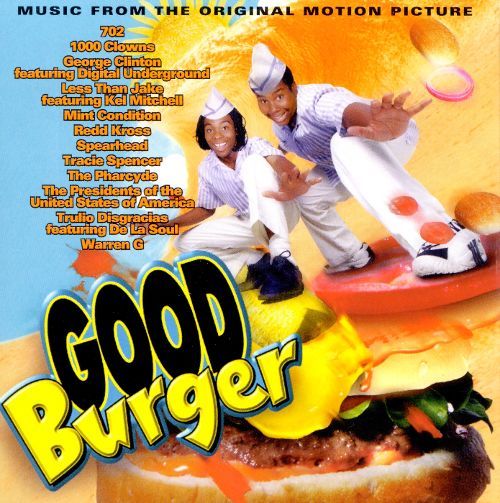
 View Artist