Song Meaning
The narrator stands at a crossroads, pleading with a loved one to help decide their future. The immediate plea, "Darlin', let me in. It's only me," grounds the song in a moment of vulnerability and urgency, setting a tone of shared crisis. The core tension lies between two desperate escape routes from a bleak present, framed by the stark choice: a clandestine "paper game" underground or a move to the "empty country."
The lyrics paint a vivid picture of entrapment, not just by circumstance but by familial legacy. The mention of "Pa won't leave us anything but poor" suggests a cycle of hardship the narrator is desperate to break. This isn't just about personal struggle; it's about escaping inherited poverty and the feeling of being trapped by the past. The narrator asserts, "Can't just be good victims anymore," highlighting a defiant spirit pushing against their predetermined fate.
The central metaphor of "Desolation Valley" functions as a powerful image of spiritual and material barrenness. The repeated desire "To leave this desolation valley far behind" underscores the oppressive nature of their current reality. The choice presented – a risky, underground maneuver versus a difficult, self-sufficient rural life – forces a confrontation with the true cost of freedom. The narrator acknowledges the hardship of country living, where "livin' isn't easy, and freedom takes much more," but finds solace in the possibility of being "left alone."
Ultimately, the song's emotional resonance comes from its raw depiction of difficult choices and the enduring power of love as a motivator. The narrator's plea is not just for a decision, but for a shared commitment: "I only know our love's worth fightin' for." This commitment is what fuels the desire to escape the "desolation valley," suggesting that even in the bleakest circumstances, the bond between two people offers a glimmer of hope and a reason to persevere.
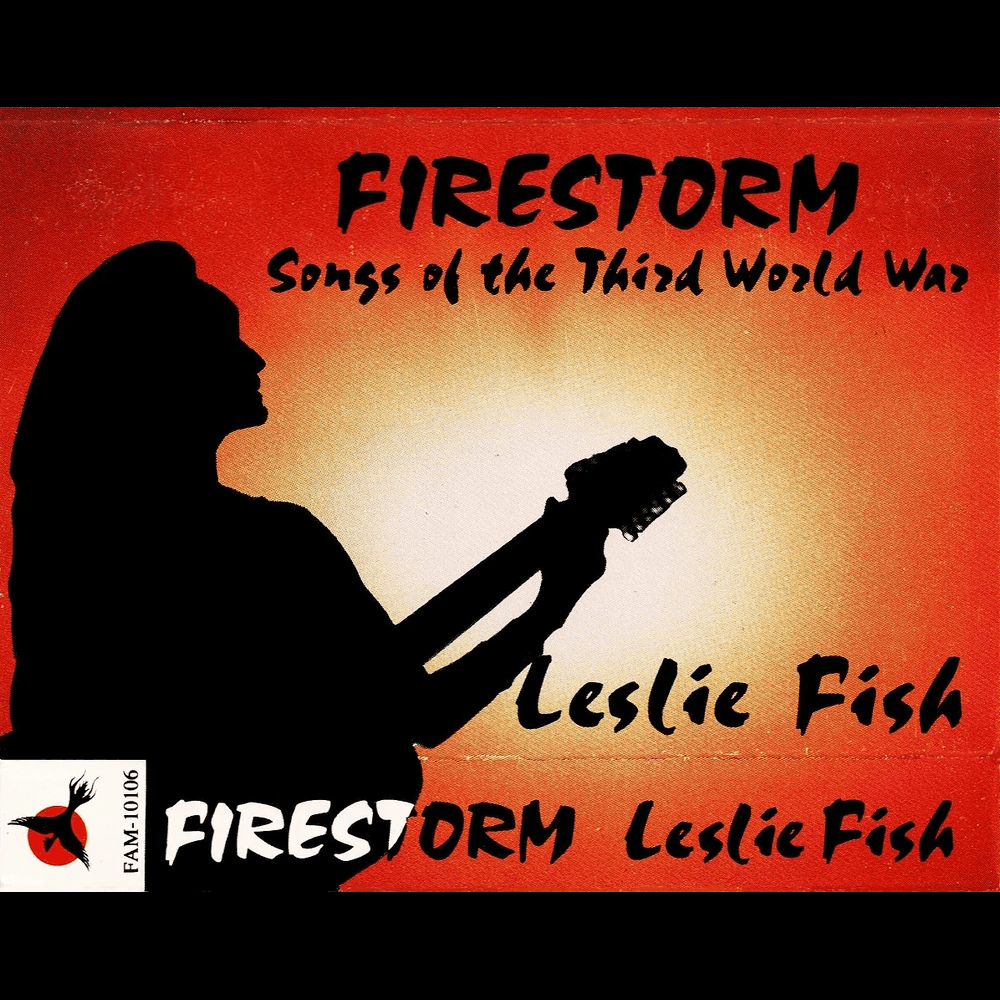
 View Artist