Song Meaning
The lyrics paint a poignant picture of near-misses and unfulfilled connection, set against a backdrop of vastness and urban anonymity. The opening spoken word sets a tone of wistful searching, leaving behind an umbrella hoping it reaches its intended recipient. This immediately establishes a theme of indirect contact and the desire for a specific person to be the one to find it, hinting at a connection that might be one-sided or yet to be realized. The narrator's gaze turns inward, then outward to a global scale, contemplating billions in love while feeling isolated, suggesting a profound loneliness amidst a crowded world.
The central tension lies in the persistent, almost desperate, search for a singular, elusive connection amidst overwhelming numbers and geographical distance. The narrator imagines a shared intimacy, "you turn off the light, I light a cigarette," a synchronized act of longing that occurs entirely in their mind, "talking to myself, in love with you." This imagined closeness is contrasted with the physical reality of separation, whether across a city or across continents, creating a deep emotional ache. The repeated phrase "never meet" underscores the futility of their efforts, a constant reminder of the unbridgeable gap.
The song's most striking craft element is the juxtaposition of grand, almost cosmic, imagery with mundane, everyday details. The narrator contemplates meeting "on the moon" or "in Antarctica," only to question if the person is simply "behind this wall." This vast scale of imagined encounters, from the "southernmost of the Persian Gulf" to the moon, highlights the immense effort and hope invested in finding this person. Yet, the core of the longing is grounded in relatable actions like leaving an umbrella, receiving a Christmas gift, or using a specific water cup, making the grand search feel intensely personal and heartbreakingly real.
This lyrical construction makes the song resonate because it captures the universal feeling of searching for someone who feels both incredibly close and impossibly far away. The narrator’s actions—turning left while the other turns right, or the possibility of having dialed the wrong number—are small, everyday moments that represent missed opportunities. The spoken word interludes, particularly the reflection on having already missed the only chance to meet, amplify this sense of profound, almost fated, separation, leaving the listener with a lingering feeling of what might have been.
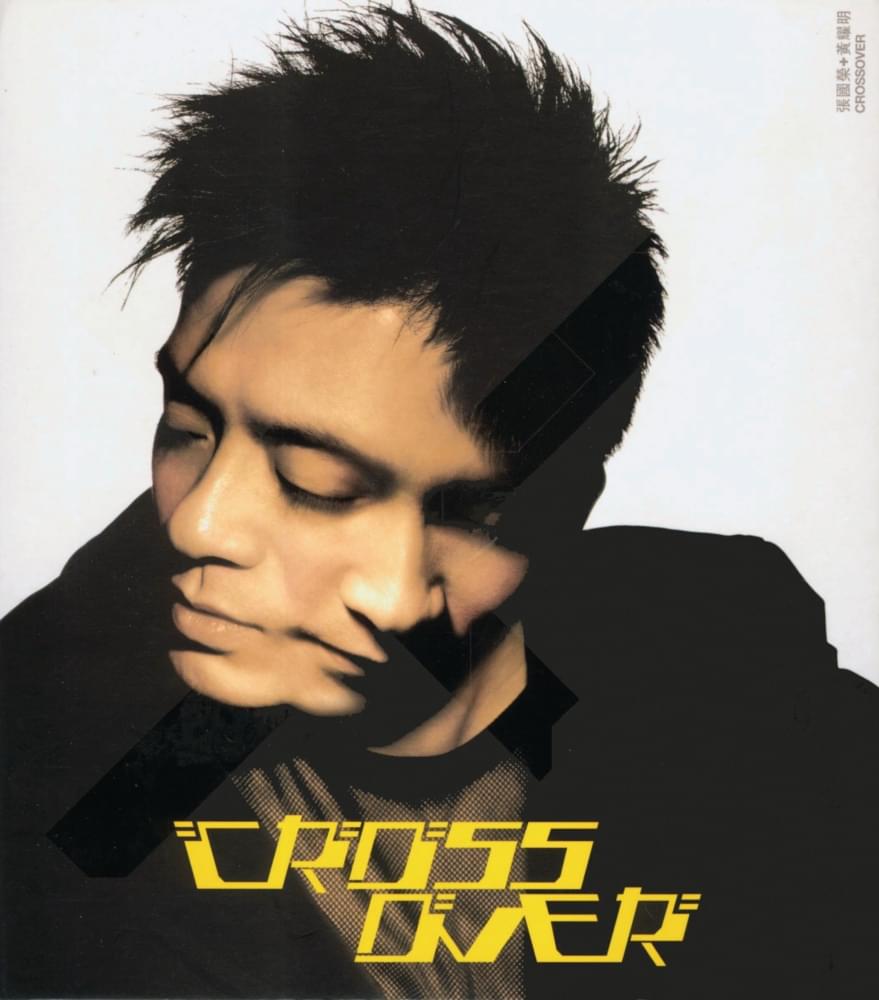
 View Artist