Song Meaning
Lesley Gore's "The Old Crowd" isn't just a nostalgic trip; it's a bittersweet reflection on the inevitable fragmentation of youth and the enduring ache of lost connections. The song's opening lines immediately establish a tone of wistful longing, a yearning for a simpler time when friendships were effortless and joy was found in the everyday. Gore doesn't just miss the people; she misses the *feeling* of that era, the carefree abandon embodied by ignoring the "No dancing allowed" sign at the local candy store. It’s a potent symbol of youthful rebellion and the unique camaraderie of shared experience. The lyrics paint vivid, concise portraits of the individual members of this "old crowd," highlighting their distinct personalities and contributions to the group dynamic. Sally's humor, Sue's style, Eddie's wit, Johnny's off-key enthusiasm—each detail adds depth to the collective memory, emphasizing what made that particular group so special and irreplaceable.
The bridge offers a stark dose of reality, acknowledging the universal truth that high school friendships rarely survive the transition into adulthood. The platitude of "keeping in touch" rings hollow, replaced by the quiet understanding that paths diverge and bonds fade. But the song avoids descending into pure cynicism. Gore clarifies that she isn't unhappy in the present; she still has "you," suggesting a current relationship that provides comfort and stability. Yet, the pull of the past remains powerful. It’s not about dissatisfaction with the present, but about cherishing the unique magic of a specific time and place. The repeated refrain, "Oh woah yeah, I miss the old crowd," becomes a mantra, a gentle acknowledgement of a void that can never be truly filled.
Ultimately, "The Old Crowd" resonates because it taps into a deeply human experience: the bittersweet recognition that some of the most formative relationships in our lives are also the most fleeting. Lesley Gore isn't just singing about a group of friends; she's singing about the universal experience of growing up and the poignant beauty of memories that linger long after the people and places have changed. The song's meaning lies in its honesty, its willingness to acknowledge the enduring power of nostalgia without romanticizing the past or diminishing the present.
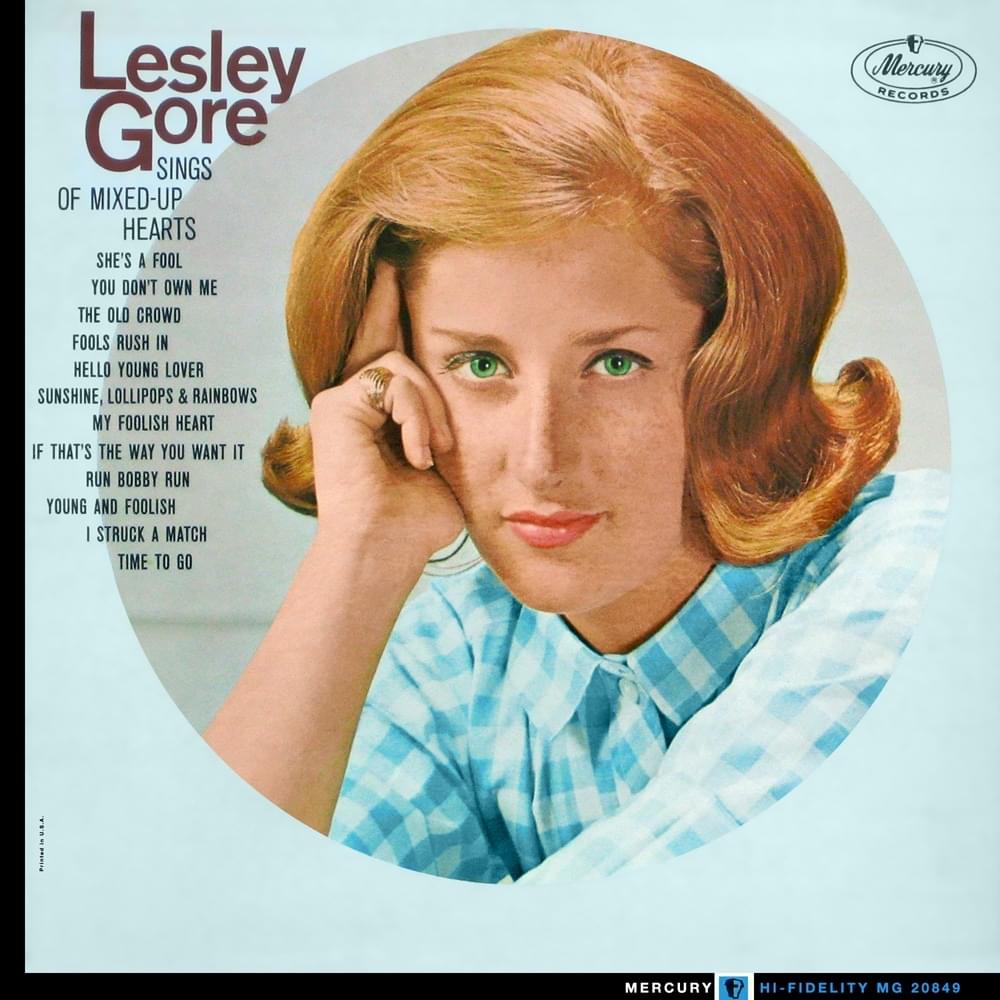
 View Artist