Song Meaning
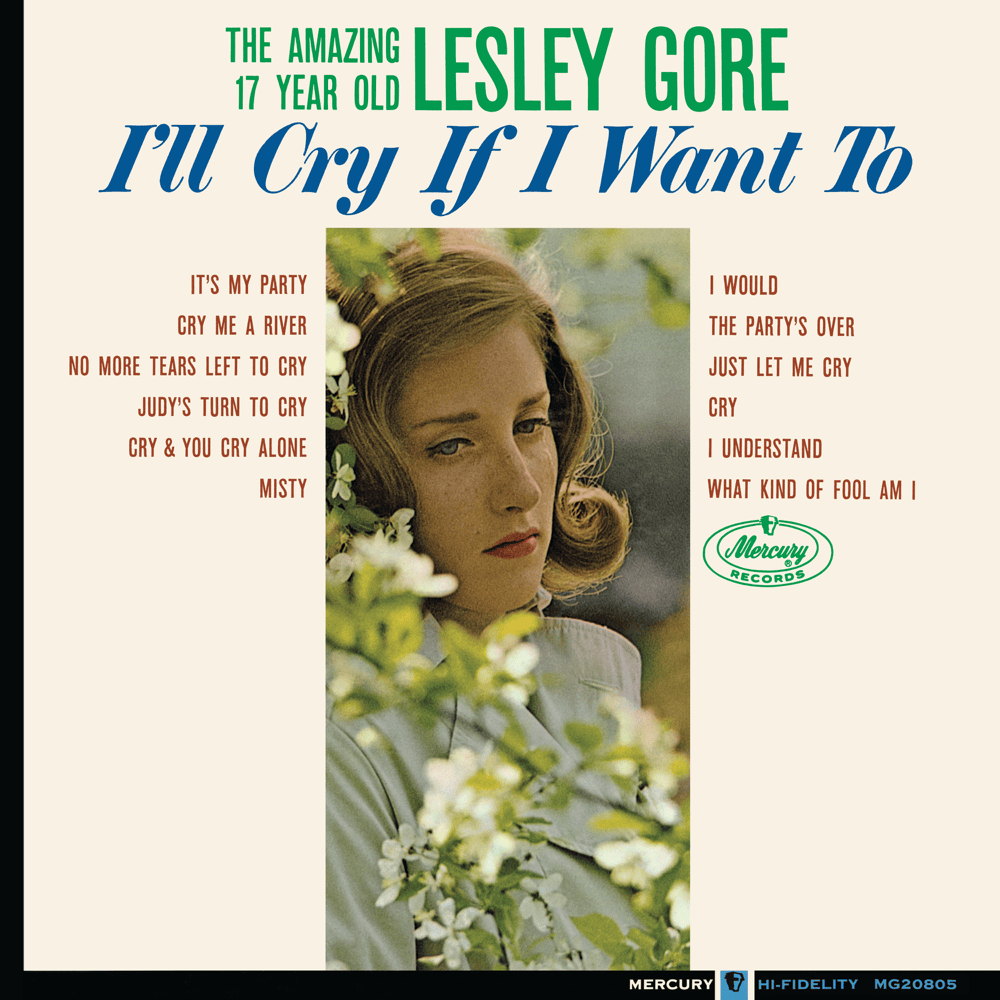
In Lesley Gore's haunting ballad, "Just Let Me Cry," the emotional landscape isn't merely sad; it's scorched earth. Forget the platitudes about sunshine after rain. Gore's narrator isn't looking for light; she's actively repelling it. The song meaning lies in the almost aggressive embrace of grief, a refusal to be consoled. It's a raw, honest depiction of heartbreak that understands the temporary solace found in wallowing. The opening lines, "Oh, stars on high, why can't I make you see? That I don't want your light to shine on me," are a direct challenge to the universe, a demand to be left alone in her pain.
The lyrics paint a vivid picture of a world suddenly rendered unbearable by loss. The natural world, typically a source of comfort, becomes a cruel reminder of what's been lost. Robins singing, flowers blooming, the moon's romantic glow – all are unwelcome intrusions. This isn't just sadness; it's a visceral rejection of anything that might alleviate the pain. The repetition of "He said goodbye, just let me cry" underscores the simplicity and finality of the situation. There's no ambiguity, no room for hope, only the stark reality of separation and the need to process it in its entirety.
What makes "Just Let Me Cry" so compelling is its psychological realism. The desire to shut out the world, to avoid triggers and reminders of the lost love, is a common response to grief. Gore's performance captures this vulnerability perfectly, conveying a sense of both fragility and defiant self-preservation. The plea to not witness "two lovers kiss" speaks to the acute awareness of what's been lost, the painful contrast between her current state and the joy she once experienced. The fading outro, a repetition of "Just let me cry," reinforces the idea that this is not a fleeting moment of sadness but a necessary and ongoing process of healing. It's a powerful statement about the importance of allowing oneself to fully experience grief, without pressure to move on or put on a brave face.
 View Artist